Cooking in pure clay is as old as history and as new as tomorrow! Here we expound it’s mysteries, myths and truth and discuss how it can be of value to modern day problems.
If you’ve ever opened a can of beans, dumped it into a saucepan, and thought, “Well, I guess this works,” you’re not alone. Most of us grew up thinking canned beans were the only way to get protein on the table fast. But here’s the truth: canned beans are bland, mushy, and nowhere near as digestible as their freshly cooked counterparts.
The good news? Cooking beans the right way, in pure clay, is simpler, faster, and far more flavorful than you think.Whether you’re preparing a humble pot of lentils, a spicy chickpea curry, or hearty summer baked beans, the secret is in the pot even more than it is in the seasoning!
Why Beans Taste Better in Clay
At Miriam’s Earthen Cookware, we use primary clay, pure, unglazed, and rich in nutrients. It’s the only cookware of its kind available on the market today. Unlike metal pots, which can leach toxins and block oxygen flow, our pots gently heat food from all sides, preserving its original texture and nutrition while also oxiginating the food throughout the cooking process.
When you cook beans and legumes in Miriam’s clay pots, you get:
Beans that are soft yet structured — never mushy or broken
Deep, rich flavor even without heavy seasoning
Easier digestion without added enzymes or soaking
Nutrient retention (especially minerals like zinc, magnesium, and iron)
Zero metal interaction, which often causes bitterness and bloating.
Complete breaking down of antinutrients like lectins and phytic acid for easy and complete assimilation.
Skip the Soak (Yes, Really!)
Many home cooks believe they have to soak beans for 8 to 24 hours before cooking to reduce gas, phytic acid, and cooking time. But here’s something most people don’t know: when beans are cooked in Miriam’s Earthen Cookware, the soaking step becomes unnecessary.
The natural far-infrared heat and breathable walls of our pots do the work of soaking and cooking simultaneously. The result? Beans that are just as soft and digestible, without the planning ahead.
Of course, if you prefer to soak for personal reasons, you can. But we’ve heard from many of our customers who’ve made the switch and say goodbye to bean bloat… even with unsoaked beans.
Canned baked beans have had their day but our fresh, homemade version of “Bush’s Baked Beans” is packed with real flavor and none of the added syrups or gums.
A perfect balance of sweet, smoky, and savory… with beans that melt in your mouth.
Miriam’s cookware is 100% handcrafted in the USA from pure, primary clay. Never glazed, never treated with chemicals, and each small batch is tested for heavy metals. Every pot is made by hand, shaped with intention, and designed to last for years.
If you’ve never tried beans in our clay, you’re in for a revelation.
More Than a Meal
Let’s talk digestion. Many people avoid beans entirely because of how they “feel afterward.” But did you know that metal cookware may be to blame? the metal and other toxic ions (from the coating) interact with the natural oils and acids in legumes, resulting in harder textures, off-flavors, and bloating.
Primary clay, on the other hand, supports the digestive process by gently oxygenating and mineralizing your food as it cooks, something no metal or ceramic-coated pot can claim. The result? A lighter, cleaner-feeling meal that doesn’t weigh you down.
Final Thoughts
Beans and legumes are the cornerstones of ancestral, plant-based, and budget-friendly diets and with the right pot, they become the stars of the table. Whether you’re meal-prepping chickpeas or making a cozy bowl of lentil soup, your cookware matters.
So, ditch the can opener and discover what beans are really supposed to taste like. You don’t need fancy techniques or pre-soaking, you just need the right vessel.
In kitchens around the world, grains are one of the most universal and time-tested staples. Whether it’s fluffy white rice, hearty quinoa, nutty millet, or ancient barley, grains have sustained civilizations for thousands of years.
But here’s the truth: modern cookware, including your rice cooker, often ruins them.
If you’ve ever wondered why your grains taste bland, mushy, or bitter… it’s not the grain. It’s the pot.
The Hidden Cost of Convenience
Sure, electric rice cookers might seem like the easy choice, just push a button and walk away. But that convenience comes at a cost: most conventional cookers are made with aluminum or non-stick materials that can leachharmful substancesinto your food over time, especially under heat and high pressure.
Texture suffers, leading to clumpy, gummy, or dry results
Many people give up on whole or ancient grains because they seem “too hard to cook” but they were never meant to be cooked in aluminum or Teflon. They were meant for clay.
What many don’t realize is that Miriam’s primary clay pots cook rice and grains just as fast as most electric rice cookers, but with none of the toxins, and far more flavor and nutrition. You get the ease of a quick meal, plus the deep satisfaction of food made the way nature intended.
This clay is never glazed, never chemically treated, and shaped by hand in the USA using traditional methods that respect the integrity of the material. This isn’t generic earthenware, it’s nature’s original cooking medium, at its purest.
Why Primary Clay Matters
Because primary clay is naturally porous, it interacts with food as it cooks. That’s what gives Miriam’s pots their signature steam-locking ability, where moisture rises from the food, condenses under the lid, and drips back down in a perfect natural cycle.
The result? Food that’s:
Rich in its original nutrients, including phytonutrients, trace minerals, and enzymes
Cooked evenly, inside and out
Full of flavor, aroma, and life
Ancient Grains, Redeemed
We hear it all the time: “I tried cooking farro once, and it was like chewing gravel.” Or: “Quinoa just tastes bitter no matter what I do.”
The problem isn’t your cooking. It’s that grains like these were never meant for modern metal pots.
When you cook ancient grains in Miriam’s clay, something almost miraculous happens, though we’ll say “beautifully natural” instead. They hydrate better. They open up. Their complex flavors and aromas rise to the surface.
Even picky eaters notice.
In Miriam’s Clay:
Teff becomes fluffy and aromatic
Farro softens without going mushy
Quinoa loses its bitterness
Brown rice finally cooks through without sticking to the bottom
Real People, Real Results
…..All my life I’ve made rice in an electric rice cooker. Once I made it in a clay pot, I’ll never again use a rice cooker – it was much tastier and far quicker! Love these clay pots…..
-A recent customer review from our Quarterly Giveaway Winner
Even quick-cooking grains like white rice benefit, and you can taste the difference from the first bite.
Why You’ll Never Go Back
Cooking grains in Miriam’s clay isn’t just about nostalgia or health (though you’ll get both). It’s about restoring food to what it’s supposed to be:
Nourishing
Beautiful
Simple
When cooked in the right vessel, even a humble bowl of rice + lentils becomes a meal worth remembering.
✨ Ready to Cook Grains the Way They Were Meant to Be?
If you’ve ever pondered on the phrase “You are what you eat,” perhaps it’s time to take it a step further and consider: “You are how you eat.” Today, amidst a plethora of modern kitchen gadgets, there’s an unsung hero quietly making waves, a timeless vessel that has carried the secrets of health & wellbeing of our ancestors into our contemporary kitchens – clay pots. Specifically, the earthenware from Miriam’s Earthen Cookware.
The essence of healthy living lies in the choices we make daily. While we hustle to procure organic foods and adopt balanced diets, the importance of the right cookware often gets sidelined. However, it’s a pivotal component in the wellness puzzle.The essence of healthy living lies in the choices we make daily.
Miriam’s Earthen Cookware: More Than Just Clay pots
When we talk about living a healthy lifestyle, food and its ingredients become the focal point. Yet, just as crucial as the quality of our ingredients, is the medium in which we cook them. Miriam’s Earthen Cookware’s clay pots are not mere vessels; they’re a commitment to genuine health.
In a world swarming with metal and non-stick pots, the question arises: Why clay? And more specifically, why Miriam’s?
While there are myriad cooking vessels available, few can boast of the nutrition-preserving qualities that Miriam’s clay pots can. These aren’t your typical pots; they’re masterpieces of culinary engineering.
Why so? Because they prioritize the health of those who use them.
Metal vessels, often crafted from varying types of metal, generate harsh heat that damages food tissue and diminishes nutritional value. Similarly, enameled and ceramic ware, glazed with a number of chemicals, including heavy metals, can’t compete with the gentle, nourishing heat of pure clay. Miriam’s pots, free from additives and crafted from 100% pure material, radiate a unique far-infrared heat, mirroring the natural warmth our earth and our bodies produce. This heat cooks food evenly, preserving nutritional bonds and ensuring that no nutrient is left behind. Unlike metal vessels that heat unevenly and can destroy delicate nutrients, these pots guarantee even cooking and nutrition preservation. And use them for all your cooking… from being a natural pressure cooker that cooks better than metal pressure cooker to a dutch oven, best yogurt maker, for making rice and other grains, there is practically nothing you cannot cook in them.
If you’ve found yourself here, there’s a good chance you’re on a mission. Perhaps, like many, you’re striving for a life full of energy, wellness, and vitality. Maybe you’re tired of quick-fixes that promise the world but deliver very little. You desire genuine health, rooted in the time-honored truths. Well, you’re in the right place! To truly embrace a healthier lifestyle, one must first understand these five time-tested secrets
1. Healthy Cooking with Clay Pots
What we put into our bodies undeniably influences our well-being. A balanced diet is of the most importance. However, while most discussions on healthy eating emphasize what to eat, let’s take a moment to consider the how we prepare it?
Cooking with clay pots from Miriam’s Earthen Cookware, preserves the nutritional value of foods. The gentle heat from these pots ensures that ingredients retain their health benefits. More so, these pots don’t leach any toxins into your food. So, if you’re genuinely committed to a healthy diet, the right cookware should be an integral part of your journey.
2. Natural Exercise
Exercise isn’t just about hitting the gym or following the latest fitness fad. It’s about embracing activities that align with our biology, activities that our ancestors naturally indulged in. Walking, farming, playful pursuits—these are not just physical activities but a celebration of our natural design. Shunning over-dependence on machines—even for everyday tasks like chopping or washing—can reinvigorate your relationship with your body. Find solace in walking amidst nature, tending to a garden, or losing yourself in a sport. These endeavors don’t just sculpt your body; they rejuvenate your spirit.
3. Good Sleep
In our hustle culture, sleep often gets compromised. But it’s time we recognized its irreplaceable role in our well-being. Our bodies regenerate, heal, and grow during those restful hours. To truly embrace healthy living, cultivate a sleep-conducive environment. This means no screens before bedtime, a comfortable sleeping space, and perhaps, a cup of herbal tea or turmeric milk made in Miriam’s Small Pot!
4. Healthy Relationships
Being inherently social beings, our well-being is intertwined with the quality of our relationships. Bonds with family, friends, and the broader community don’t just offer companionship—they are lifelines that anchor our emotional and mental health. It’s vital to cultivate these bonds, to cherish the moments of love, to find our tribe where we truly belong. But remember, amidst these connections, carve out time for yourself. Seek solitude, relish moments of quiet reflection, and pursue activities that bring you peace and joy
5. Mindful Buying
Now, here’s a concept that doesn’t get enough attention. What we buy has a direct impact on our health. From the clothes we wear to the cookware we use, always aim for natural materials. It goes beyond aesthetics or mere preference; it’s a matter of health. Your skin, the largest system in the body, is also a breathing and detoxing organ. It takes in oxygen, expels carbon dioxide, and actively removes toxins. Consequently, it’s crucial to surround it with materials that aren’t chemically tainted or laden with plastics. 100% cotton, wool, linen, silk… just for clothing – the choices are many and the look can be beautiful if you choose through wisdom and discernment.
For instance, Miriam’s Earthen Cookware emphasizes the importance of natural clay pots, free from toxins and metals. Likewise, when thinking about your clothing choices, select materials that let your skin breathe and function naturally. Introduce this principle into your buying habits, and you’ll witness a notable difference in your well-being, just like we did.
The search for healthy living stems from a deeper yearning – a desire for authenticity, for practices that resonate with your core beliefs, and for genuine well-being. Incorporating Miriam’s clay pots into your kitchen is not just a nod to tradition, but a conscious choice for superior health.
The essence of healthy living lies in the choices we make daily. While we hustle to procure organic foods and adopt healthy practices, the importance of the right cookware often gets sidelined. However, it’s a pivotal component in the wellness puzzle.
Are you ready to embark on this transformative culinary journey? Dive deeper and explore the unique range of clay pots that Miriam’s Earthen Cookware offers, ensuring that your quest for healthy living is enriched and authentic.
Rachel loved greens for its nutritional and health benefits but could not find a way to cook them that could let her family of 3 kids enjoy this amazing gift of nature. Seeking ways to ignite the family’s love for greens, she explored different cooking methods such as steaming, sautéing, blending, roasting, and stir-frying… and then came across Miriam’s Earthen Cookware. One of the first recipes she tried was her greens, and finally she found what she was looking for…
Here’s what she had to say about this:
“…At first I was skeptical, but after cooking some kale, spinach and Swiss chard, I was SOLD!!! The pan was awesome!!!!. The greens turned out perfectly cooked and the green color stayed!.”
Spinach is one of the most popular greens known for its high nutritional value and numerous health benefits. It is rich in vitamins A, C, and K, as well as minerals like iron and calcium. Spinach is also a good source of antioxidants, such as beta-carotene and lutein, which can help protect the body from oxidative stress and reduce the risk of chronic diseases. Additionally, the high soluble fiber content in spinach can aid in digestion and promote gut health. Cooking spinach the right way is important to retain its nutrients so it can additionally support healthy skin, hair, and bones because of its nutrient-rich profile.
Kale
Kale has gained popularity in recent years due to its impressive nutritional profile. It is packed with vitamins A, C, and K, as well as minerals like copper, potassium, and manganese. Kale is also known for its high antioxidant content, and just like its friend, Spinach, it can help protect the body from oxidative stress.
Collard Greens
Collard greens are a nutritious leafy green vegetable that are rich in vitamins and minerals. They are an excellent source of vitamins K and C as well as folate and calcium. Collard greens also contain antioxidants and fiber, making them a healthy addition to your diet.
Some others gaining in popularity recently are:
Moringa leaves:
Are highly nutritious and offer a wide range of health benefits. They are rich in vitamins, minerals, and antioxidants, making them a valuable addition to a healthy diet. Some of the key nutritional benefits of Moringa leaves include: Vitamins: Moringa leaves are a good source of vitamins A, C, and E. Vitamin A is essential for vision health, vitamin C boosts the immune system, and vitamin E acts as an antioxidant, protecting cells from damage. Minerals: Moringa leaves contain essential minerals such as calcium, potassium, and iron. Calcium is crucial for bone health, potassium helps regulate blood pressure, and iron is important for red blood cell production.
Antioxidants: Moringa leaves are packed with antioxidants like quercetin, chlorogenic acid, and beta-carotene. These antioxidants help protect the body from oxidative stress and inflammation. Moringa leaves are a good plant-based source of protein, containing all nine essential amino acids. Protein is essential for muscle growth, repair, and overall body function. Moringa leaves are high in fiber, which aids digestion, promotes gut health, and helps regulate blood sugar levels.
Including Moringa leaves in your diet can provide a nutritional boost and support overall health and well-being.
Watercress leaves:
Offer a wide range of health benefits. They are rich in vitamins A, C, and K, as well as minerals like calcium, potassium, and iron. Watercress leaves also contain antioxidants, such as beta-carotene and lutein, which can help protect the body from oxidative stress and reduce the risk of chronic diseases. Additionally, watercress leaves are a good source of soluble fiber, which can aid in digestion, promote gut health, and regulate blood sugar levels. Including watercress leaves in your diet can support healthy skin, hair, and bones due to their nutrient-rich profile.
What is the best way to cook these greens to maximize nutrition and flavor?
Traditional methods of cooking in metal or ceramic pots cook these delicate foods with a harsh form of heat known as near-infrared heat. This heat is known to damage the delicate nutrients and render it void of its rich nutritional composition. Also, a lot of steam is lost while cooking in this way, and these more delicate foods can burn easily in them. Also, the chemicals and metals from the coating and the core raw materials reactive with the nutrients (bio-chemicals) and leach into the food!
So what is the alternative? How about clay — Natural clay is the most ancient cooking materialused from time immemorial. Various cultures from around the world have used clay cookware for centuries. Miriam’s Earthen Cookware is a pioneering company in the US making clay pots and pans from fully tested pure and 100% primary clay without the use of any additives or toxins. The unique design and the special features they have incorporated into the cookware allows for any recipe to be completed quickly and efficiently on different heat source available in our modern kitchens.
When cooking in Miriam’s clay pots, first, the heat is different. In this case, it is the nutrient friendly far-infrared heat cooking your food as opposed to the near infrared heat discussed above. Just like the heat the earth generates that promotes life, the heat that these “earthen” pots generate does not damage the nutritional cells in food. Secondly, there are no metals interacting with your food and leaching in and also because it is gentle heat. There is no scorching and burning of food like it happens with their conventional counterparts. Let us look at different types of cooking methods for greens to maximum nutritional value and give you delicious tasting food.
Steaming
Steaming greens in Miriam’s involves cooking the greens in a small amount of water, allowing them to retain their color, texture, and nutrients. Steaming also helps to preserve the water-soluble vitamins, because unlike in metals, the steam is naturally condensed by Miriam’s special lids, and sent right back into the food. When cooking in Miriam’s, you don’t need a steamer or a steam basket. All you need is your pot and the lid! Add water, about 1/2 inch up from the bottom, then fill the pot with the greens. Cover and let it cook on medium-low heat for about 20 minutes. Then, open the lid, add your seasoning and salt. Natural seasoning is always recommended. You could do a combination of a small pinch of turmeric, chili powder, coriander powder and crushed cumin seeds and a pinch of salt. Less seasoning compared to other pots is needed when cooking in Miriam’s because the taste and flavors are locked inside with the gentler hear cooking.
Finally, drizzle with some oil and delicious steamed grains are ready for consumption! Serve as a side or main course with other sides like unleavened bread, freshly steamed rice or quinoa.
Sautéing
Sautéing greens in Miriam’s Earthen Cookware is a healthy and effective way to cook your greens while retaining their nutrients. Miriam’s Earthen Cookware is known for its ability to distribute heat evenly, and cook without damaging delicate nutritional cells in the food. This can help preserve the vitamins and minerals in the greens. When sautéing greens in Miriam’s, use a small amount of oil over medium-low heat and cook the greens with lid covered for 15-20 minutes. Add seasoning like crushed garlic (2-3 cloves for 2-3 bunches of greens), freshly ground cumin seeds (1-2 tsp) and a sprinkle of sea salt in the end.
Benefits of Cooking Greens in Soups, Stews, and Other Recipes like Casseroles
Cooking greens in soups, stews, and casseroles can be a delicious way to incorporate these nutritious ingredients into your diet. When greens are added to soups and stews, they not only enhance the flavor but also provide a wealth of health benefits. This cooking process allows the greens to release their nutrients into the broth or sauce, making it a nutrient-rich wholesome one-pot meal.
In addition, cooking greens in soups, stews, and casseroles can help retain water-soluble vitamins like vitamin C and B vitamins. The combination of flavors in these dishes can make eating greens more enjoyable for those who may not be fo/nd of them in their raw form or plain form.
By incorporating greens into various recipes like soups, stews, and casseroles, you can create hearty and nutritious meals that are both satisfying and beneficial for your health.
Conclusion
To retain the maximum nutrients while cooking greens, using Miriam’s Earthen Cookware is essential. Miriam’s clay pots provide a gentle far-infrared heat that preserves the delicate nutrients in the food, unlike the harsh near-infrared heat from metal or ceramic cookware. This gentle heat ensures that the greens are not rendered tasteless and void of their rich nutrients at the end of the cooking process. Additionally, cooking in Miriam’s clay pots prevents metals and chemicals from interacting with the food, eliminating the risk of leaching. The unique features of Miriam’s Earthen Cookware allow for efficient cooking on any heat source while maintaining the nutritional benefits of the greens.
The best option for cooking any vegetarian dish like greens for your family is Miriam’s 100% non-toxic large pan or pot, with it you can cook for three and up to six people at the same time. You can mix the greens and fill it to its maximum capacity, they tend to shrink a little after cooking and this will give you a large amount of food to serve, you can also easily prepare meat stews such as chicken or beef in this pan and pot. For smaller groups or families we recommend Miriam’s 100% non-toxic medium pots and pans.
Beans have long been a cornerstone of cuisines worldwide, not just because of their versatility but also for their rich nutritional profile.
) However, the method of cooking beans plays a pivotal role in determining their nutritional efficacy. As we explore the various techniques of cooking beans, from traditional slow simmering to modern pressure cooking, it becomes clear that each approach has its own impact on both the retention of nutrients and the elimination of anti-nutrients. In this article, we aim to unravel these cooking methods and their effects, guiding you towards the most beneficial way to prepare beans. In the quest for cooking beans to perfection, understanding the interaction between cooking techniques and the nutritional essence of beans is crucial. While quick methods like pressure cooking offer convenience, they often fall short in preserving the full spectrum of vitamins and minerals that beans naturally possess. Traditional methods of cooking beans have sustained generations while respecting and maintaining the integrity of their nutrients. As we explore deeper into the art of cooking beans, we will also discover how innovative approaches, such as using Miriam’s Earthen Cookware can enhance the nutritional value of beans making them a more wholesome addition to our diets.
Traditional vs. Modern Bean Cooking Methods:
Beans are often cooked using methods like pressure cooking or long hours of simmering in metal pots. While these methods are effective for softening beans, they have their drawbacks. Pressure cooking, although quick, can lead to a significant loss of nutrients due to the high heat and pressure. Similarly, cooking in metal pots can result in nutrient degradation because of the harsh damaging heat, and potential leaching of metals from the pot into the beans. In contrast, traditional cooking methods, such as cooking in pure earthen cookware, tend to preserve both the flavor and nutritional value of beans more effectively. These age-old methods allow for a gradual breakdown of complex fibers and anti-nutrients, ensuring that the beans are not only more digestible but also retain their full range of vitamins and minerals. This traditional method also infuses the beans with a depth of flavor that is often lacking in quicker cooking techniques. The difference of heat from these pots – also known as far-infrared heat, also allows for better preservation of heat-sensitive nutrients, making the beans more nourishing. It’s essential to consider these factors when choosing a cooking method for beans, as the method can significantly impact the health benefits and taste of the final dish.
How Far-Infrared Heat Makes a Difference:
Cooking beans in Miriam’s Earthen Cookware is a gamechanger! Using far-infrared heat, this gentle cooking method not only preserves the essential nutrients but also helps break down anti-nutrients. Far-infrared heat, similar to the heat used in traditional bean cooking over centuries, ensures that beans retain their nutritional value while becoming easy to digest. The uniqueness of far-infrared heat lies in its similarity to the natural heat produced by the sun that warms the earth. This natural, gentle heat penetrates deep into the beans, cooking them evenly and thoroughly without destroying sensitive nutrients.This method of cooking mimics the natural process of solar heating, providing a warmth that does not scorch or deplete the beans of their natural goodness. Unlike conventional cooking methods that often apply harsh direct heat, far-infrared heat surrounds the beans, ensuring that they are cooked from all sides evenly. This results in beans that are not only better in texture but also in nutritional quality. This type of heat aids in the breakdown of complex molecules found in beans, making them easier for the body to digest and assimilate. By using far-infrared heat, we’re not just cooking our beans; we’re nurturing them in a way that aligns with the natural rhythms of the earth, enhancing their inherent nutritional benefits. This method bridges the gap between traditional wisdom and modern convenience, offering a superior way to prepare beans that is both healthful and respectful of their natural composition.
Optimal Cooking Times for Different Beans:
Each type of bean has its optimal cooking time to maximize nutrient retention and reduce anti-nutrients. Here’s a quick guide:
Black Beans: Rich in antioxidants – 1 to 1.5 hours
Lentils: High in iron – 30 to 45 minutes
Chickpeas: Packed with protein and fiber – 2 hours
This article on our website covers some of these beans:
Incorporating Beans into Your Weekly Meals:
Beans can be a versatile component in your weekly meal planning. A batch of cooked black beans can be used in tacos, salads, or soups throughout the week. Lentils can be transformed into hearty stews or refreshing cold salads. Chickpeas are perfect for homemade hummus or as a protein-packed addition to stir-fries. The way we cook our beans can make a significant difference in their nutritional value. By embracing methods that preserve nutrients and eliminate anti-nutrients, like cooking with Miriam’s, we can fully enjoy the health benefits of beans. Incorporate these nutrient-rich powerhouses into your diet and experience the wholesome goodness they offer.
Bones are the unsung heroes of our bodies, providing structure, strength, and a foundation for our overall well-being. Beyond their structural role, bones are a vital part of our health ecosystem, housing bone marrow that plays a crucial role in blood formation. Let’s explore the importance of bones, the essential nutrients they require, and how modern cooking practices, especially using metal cookware, may be inadvertently weakening them. More importantly, we will discover how Miriam’s Earthen Cookware can be instrumental in preserving the vital minerals & nutrients they need from food, thereby contributing to stronger, and healthier bones.
The Significance of Bone Health:
Bones do much more than just help us stand tall; they are dynamic organs involved in critical functions like producing blood cells in the marrow. Ensuring their health is not just about preventing fractures; it’s about maintaining our body’s ability to perform essential functions efficiently. The key to this lies in providing our bones with the nutrients they need, including calcium, phosphorus, magnesium, and trace minerals.
The Impact of Cooking on Bone Nutrients:
One often overlooked aspect of bone health is how we prepare our food. Cooking in metal cookware can lead to the destruction of many of the nutrients our bones need. The high heat and reactive nature of metals can degrade vitamins and minerals – that are available only in small quantities, making them less available for our bodies to absorb. This nutrient loss might be a contributing factor to the increasing prevalence of bone-related weaknesses, such as osteoporosis and osteomalacia.
This is where Miriam’s Earthen Cookware comes in. Our pots are crafted from 100% primary clay a material that doesn’t leach harmful substances or degrade nutrients. When you steam vegetables or cook bone-strengthening meals in these pots, the gentle far-infrared heat preserves the essential nutrients.
The non-reactive nature of clay ensures that the trace minerals so crucial for bone health are fully available in the food you eat.The culinary choices we make have a direct impact on our bone health. By selecting ingredients rich in bone-strengthening nutrients and preparing them in Miriam’s Earthen Cookware, we can significantly enhance their benefits. The slow and steady cooking process in Miriam’s not only keeps the nutrients intact but also ensures that they are in a form that our bodies can easily absorb and use. This holistic approach to cooking goes beyond mere taste, offering a path to improved bone health and overall well-being
Recipe Suggestions for Healthy Bones:
To assist you in your journey towards stronger bones, here are some Miriam’s Cookware friendly recipes that are both nutrient-packed and easy to assimilate:
In addition to a balanced and nutritious diet, non-strenuous and low impact exercise that involves simple movements against gravity also strengthens the bones, ligaments, tendons and the whole system.
The health of our bones is a critical aspect of our overall wellness. By focusing on the right nutrients and adopting cooking methods that preserve these nutrients, we can significantly enhance our bone strength. Miriam’s Earthen Cookware offers an ideal solution, helping us prepare meals that not only taste great but also support the health of our bones. Let’s embrace this holistic approach to cooking and make a positive impact on our bone health.
The holiday season is a time of warmth, joy, and, of course, indulgent culinary delights. Christmas is much, much more than the presents under the tree; it’s also about the delicious dishes on the dining table that bring family and friends together. In this festive spirit, we are thrilled to share five tantalizing recipes that are perfect for the holiday season – each cooked to perfection in Miriam’s Earthen Cookware. These natural clay pots and pans aren’t just cookware; they’re the secret ingredient to richer flavors and healthier meals. Join us as we explore the “Taste of Christmas” through these five joyful recipes, each brimming with festive flavors and the wholesome goodness of natural clay cooking.
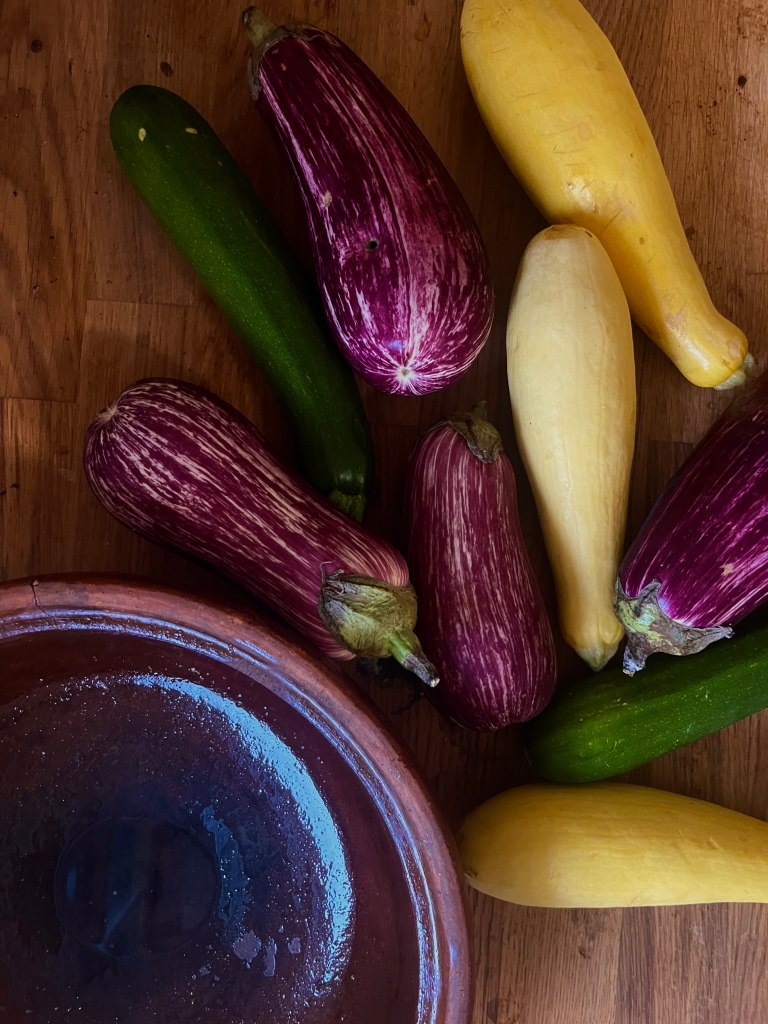
When the cold weather sets in, nothing beats a warm, comforting gratin. Our Winter Vegetable Gratin combines eggplants, tomatoes, squash and more, baked in a creamy sauce and topped with a golden crust. Cooked slowly in Miriam’s Earthen Cookware, the vegetables absorb every bit of flavor while maintaining their natural nutrients. This gratin is not just a side dish; it’s a celebration of winter’s bounty, providing a cozy and nutritious addition to your Christmas feast.
Sip on the essence of Christmas with our Spiced Cider recipe. This heartwarming beverage, made with apple cider infused with cinnamon, and cloves encapsulates the holiday spirit in every cup. Prepared in Miriam’s Water Jar, the cider gently simmers, allowing the spices to release their aromatic flavors. It’s the perfect drink to warm up your evenings and spread festive cheer among your loved ones.
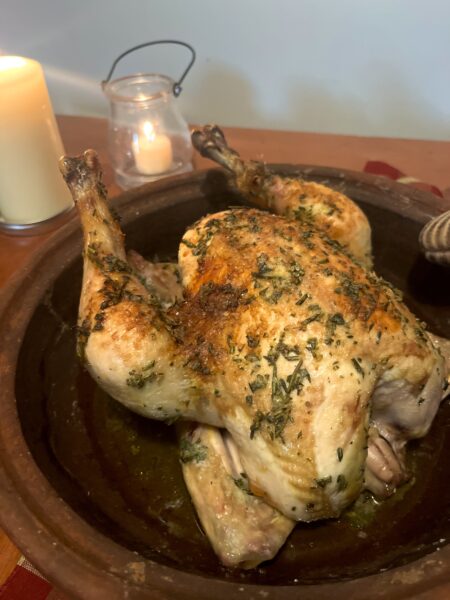
Move over turkey – there’s a new star this Christmas! Our Herb-Infused Roast Chicken, cooked in Miriam’s natural clay pot, is moist, flavorful, and incredibly tender. The clay pot ensures an even distribution of heat, while the herbs infuse the chicken with a depth of flavor that is simply irresistible. This dish isn’t just a meal; it’s a festive centerpiece that promises to impress your guests and satiate your soul.
Add a touch of gourmet to your holiday spread with our Holiday Baked Brie recipe. This decadent cheese, topped with an optional mixture of nuts and honey, becomes gooey and irresistibly rich when baked in Miriam’s Small Pot. The natural clay complements the brie’s texture and flavor, making it an elegant and easy appetizer that’s perfect for holiday entertaining.
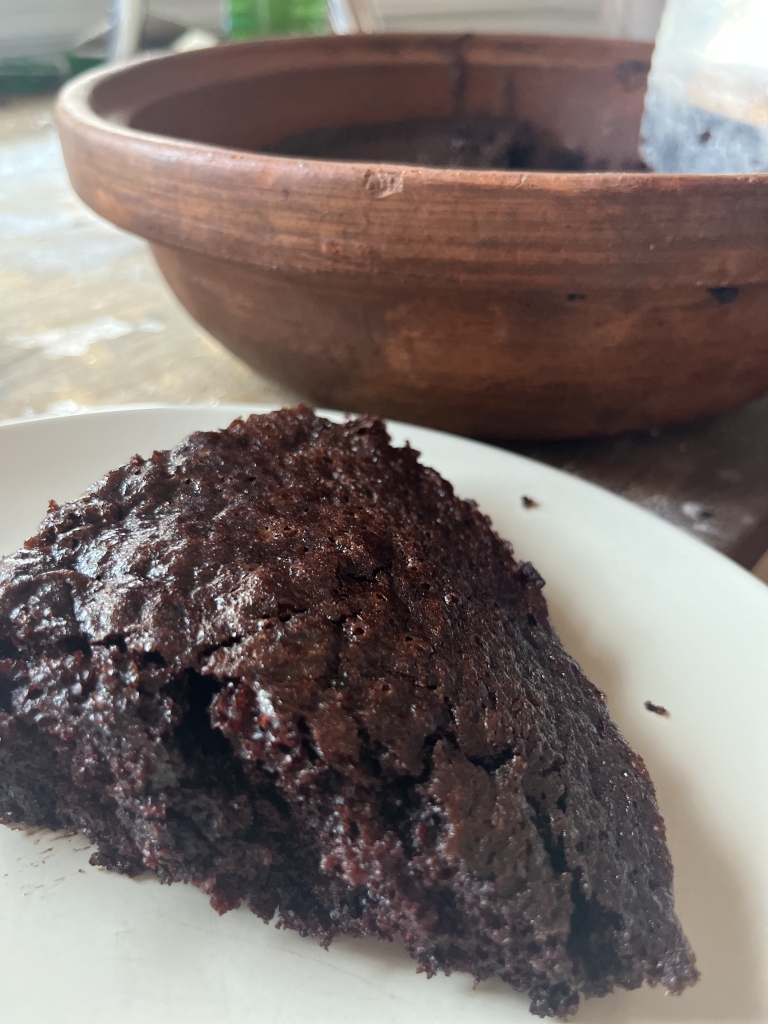
These biscotti are a delightful twist on the classic gingerbread, combining the warm, spiced flavors of the season with a satisfyingly crisp texture. Perfect for dunking into a steaming cup of coffee or hot cocoa, these dunkers are sure to become a new holiday favorite. Each bite is infused with the nostalgia of gingerbread and the comfort of home-baked goodness. Prepared in Miriam’s Earthen Cookware, they bake evenly and perfectly, ensuring every dunker is just right. No holiday season is complete without Christmas cookies! Cooking them on a Miriam’s Griddle adds the final touch to a perfectly crisp cookie.
This Christmas, let Miriam’s Earthen Cookware take center stage in your kitchen. Each of these recipes highlights the versatility and benefits of cooking with natural clay – from enhanced flavors and preserved nutrients to an overall healthier cooking experience. As you gather around the table with your loved ones, these dishes will not only satisfy your taste buds but also nourish your body and soul. Embrace the Taste of Christmas with these five joyful recipes and make your holiday season even more special. Here’s to a holiday filled with delicious food, laughter, and cherished moments!
Happy Holidays and Happy Cooking from all of us at Miriam’s Earthen Cookware!
The heart, an organ of both literal and figurative significance, plays a vital role in sustaining life. It starts beating when we are just five weeks old in our mothers womb and continues tirelessly throughout our lives. This essential organ deserves our utmost care and attention, particularly when it comes to the foods we eat. To keep our hearts functioning optimally, and to build a stronger heart, it’s crucial to consume foods that promote heart health. This includes a diet rich in vegetables, fruits, and protein. Equally important is the way we prepare these foods. Non-toxic cooking, particularly in cookware that doesn’t leach harmful substances into our meal and reduces the need for cooking with oil right from the start of the cooking process, plays a critical role in maintaining a stronger heart.
The heart is part of a significantly complex and beautifully created system called the cardiovascular system, which is responsible for taking life through blood, to every part of the body. Toxins in the form of trans-fat from cooked oil, and metal ions that leach from metal or toxic raw mateirals are enemies of this system. These toxins are notorious for causing the buildup of blockages over time. It is essential to understand these risks to protect and maintain the health of our cardiovascular system.
The Hidden Dangers of Oils and Trans Fats:
One of the lesser-known risks to heart health comes from the oils used in cooking. When oils, especially processed oils and saturated fats, are heated, they can undergo a transformation into trans fats. These artery-clogging fats are notorious for their negative impact on heart health, Because blockages of this nature means the heart has to work harder to pump the same blood throughout the system. Some ultra processed oils, often labeled as ‘vegetable oils,’ like canola, soybean, corn, sunflower, and safflower oils, have become ubiquitous in modern cooking. However, research indicates that these oils can be detrimental to our health.
Pictured below is the process of creating Canola Oil.
The process of refining these oils involves high heat and chemical treatments, leading to oxidation and the formation of harmful compounds. When consumed, they can contribute to inflammation, a leading cause of heart disease.
Why Minimizing Oil Usage Matters:
Cooking with minimal oil is not just another health trend; it’s a healthier choice. Reducing oil in cooking can lower the risk of developing heart-related issues. This approach to cooking also encourages cooking with natural fats – available in the very ingredients used in the recipe.
But how can you do that while using pots and pans that require oil as a separating agent between pot and food, a type of lubricant if you will to prevent food from sticking to the pot? It is impossible to cook a decent meal without using a good amount of oil in traditional metal pots and ceramic cookware!
The Role of Miriam’s Earthen Cookware in Heart-Healthy Cooking:
Miriam’s Earthen Cookware takes us back to the roots of traditional cooking, where the emphasis was on natural flavors and healthful preparation. Crafted from 100% non-toxic primary clay without any glazes or additives, Miriams allows for cooking with little to no oil. The unique far-infrared heat cooking in these pots preserves the nutrients and natural juices of the food, reducing the need for adding fats right from the start of cooking. So instead of adding oils in the beginning, with Miriams Earthen Cookware, healthy oils and fats can be added in the end or middle of the cooking process to keep the fats intact and beneficial to the body. Oil that is not cooked/subject to heating from the beginning of the cooking process, is very beneficial in the body as it helps maintain higher levels of good cholesterol (HDL), eliminates LDL (bad cholesterol), and also has its antioxidant and vitamins intact, instead of broken down and destroyed when heated.
Incorporating Miriam’s Earthen Cookware into your daily cooking routine can be a transformative experience, especially for those mindful of heart health. The cookware’s natural properties allow for a cooking process that is free from the toxins often associated with non-stick and metal cookware. This means that when you cook your favorite dishes, whether they are vegetable stews or lean meats, you’re not just getting the nutritional benefits of the ingredients but also avoiding the harmful effects of toxins leaching into your food. It’s a holistic approach to cooking that takes into account both the purity of the ingredients and the method of preparation, ensuring that every meal is a step towards better heart health.
Benefits of Cooking with Miriam’s Earthen Cookware:
–Non-Toxic Material: Miriam’s is free from metals and chemicals, ensuring no harmful substances leach into your food.
–Natural Flavor Enhancement: These clay pots enhance the natural flavors of the ingredients, making dishes more savory without the need for excess oil. Pot is natural non-stick and steam retaining, so it allows for adding oil in the end, rather than needing oil from the start of cooking.
–Even Cooking: The even heat distribution cooks food thoroughly, retaining moisture and reducing the need for added fats.
Embracing these non-toxic cooking methods is a significant step towards a healthier heart and overall well-being. In addition, if you can incorporate the following heart healthy foods into your diet – it would be a double win for the heart and the amazing cardiovascular system. Legumes, tomatoes, and even simple olive oil can help increase heart health.
By choosing Miriam’s, you’re not just selecting cookware; you’re adopting a lifestyle that prioritizes your health and honors the integrity of your food. The shift to cooking with minimal or no oil, especially avoiding the use of processed seed oils, is a positive step towards a healthier lifestyle. By adopting this cooking style, you’re reducing the intake of harmful oxidized oils and embracing the natural flavors of the food itself. Miriam’s Earthen Cookware facilitates this style of cooking, making it easier to prepare meals that are both delicious and heart-healthy, proving that good health and great flavor can indeed go hand in hand.
Ah, the timeless allure of baking – from the wafting aroma of freshly baked bread to the visual delight of a perfectly browned casserole. But beyond the recipes and ingredients, there’s another crucial component that plays a pivotal role in determining the healthiness and flavor of your meals: the baking pot.
If you’ve ever embarked on an online journey, sifting through searches like “small baking pots,” “big baking pot,” or even “heart shaped baking pots,” you know the vast world of choices available. And while variety is the spice of life, it’s essential to understand the intricacies of these vessels to ensure the well-being of your loved ones and the healthy value of your baked food.
Why Does the Choice of Baking Pot Matter?
Many might ponder, “Isn’t a pot just a pot?” Not quite. The baking pot you choose can significantly affect the taste, texture, and health quotient of your meals. From even heat distribution to preventing reactions with acidic & alkaline ingredients, the material and design of your baking pot play a crucial role.
Even Cooking: One of the main perks of a high-quality baking pot is its ability to distribute heat evenly. This ensures that your food is uniformly cooked, preventing any surprise raw spots or overcooked edges.
Reactiveness: Certain metals react to both acidic and alkaline ingredients in varying degrees, leading to off-flavors, but more importantly potential health concerns. This reaction leads to the leaching of these metals into your food.The consumption of these heavy metals and chemicals leaching from these pots are known to be the root cause for diseases and health concerns (see references below). By choosing non-reactive materials, you can avoid these pitfalls.
Materials Matter: A Dive into Common Baking Pot Materials
Ceramic: Although a favorite for many, Ceramic can include metals such as Iron, Manganese, Titanium, Magnesium, Aluminum, Barium, Copper, and even Lead and Cadmium. Moreover, the material is often sourced in part from mining waste.The ceramic industry has dumped these “tailings” containing harmful chemicals, thus polluting soil and water.
Glass: Although glass baking dishes are beautiful, natural glass made from pure sand cannot sustain heat, it will shatter when exposed to heat. In order for it to be used for cooking, glass has to be made from borosilicate. This raw material contain boron, lead frets, cadmium and petalite (an ore of lithium), to name a few of the ingredients it contains. There is a high likelihood of all of these toxins leaching into your food.
Metal: The most commonly used baking pots are unfortunately made from teflon or stainless steel and are coated with chemicals to create a non-stick surface.
Beyond the Basics: Diving Deeper into the Search
While countless kitchen enthusiasts and seasoned chefs dive deep into the digital realm in search of the ideal baking pot, many often miss out on a crucial aspect: the actual heating mechanism of the cookware. Here’s where Miriam’s Earthen Cookware sets a standard.
Miriam’s clay pots don’t just offer a non-toxic, handcrafted alternative; they revolutionize the baking experience with unique far infrared cooking process. This form of heat is gentle yet penetrative, ensuring that the food is cooked uniformly from the inside out. It’s a departure from the conventional surface-level heating of many modern-day cookwares, which often result in unevenly baked or cooked food.
But what does this mean for those who bake? It ensures that the moisture, nutrients, and flavors are locked in, leading to better-textured baked goods that are richer in essential nutrients. Whether you’re baking a loaf of bread or a cake, the even heat distribution means no more unexpected cold spots or overcooked edges.
Furthermore, the unique nature of the earthen far-infrared cooking in Miriam’s pots reduces the overall cooking time, preserving not just nutrients but also the natural taste of ingredients. The result? Every baked item retains its authentic flavor, giving you a truly unparalleled baking experience. For those who are serious about baking, Miriam’s clay pots are not just a choice but an upgrade that aligns with the pursuit of high quality in both health and taste.
The Path Forward for Passionate Bakers
Navigating the world of baking pots can seem daunting, but understanding the subtle nuances can elevate your baking game. While the internet is flooded with a plethora of options – from the big and small to the round and heart-shaped – it’s crucial to remember the core purpose of these pots.
They’re not just vessels to hold your food; they’re tools designed to enhance flavor, preserve nutrition, and ensure the overall well-being of those consuming the meals. As you embark on your baking journey, may your choices reflect not just personal preferences, but also an unwavering commitment to quality and health. Happy baking!





 PureClayCooking