Don’t Be Afraid of Nightshades Anymore, Clay Cooking Makes All the Difference

For many health-conscious eaters, the term “nightshades” raises a red flag. You’ve probably heard the warnings: Nightshades cause inflammationnightshade veggies are toxic, or avoid tomatoes if you have joint pain. But what if the problem isn’t the vegetable itself… but what it is cooked in?

This week, we’re diving into the complex world of nightshade foods, clearing up confusion, and exploring how cooking them in non-toxic clay cookware can make a world of difference.

What Are Nightshades, Really?

Nightshades refer to a group of plants in the nightshade family (Solanaceae), which includes both edible vegetables and some well-known toxic plants. The edible nightshade vegetables list includes:

  • Tomatoes
  • Potatoes (white)
  • Eggplant
  • Bell peppers
  • Chili peppers

Meanwhile, toxic members like deadly nightshadeblack nightshade, and bittersweet nightshade often cause confusion due to their ominous names and historical associations.

Despite being nutritious and widely consumed, nightshade plants contain compounds like alkaloids (e.g., solanine) that have been linked to digestive irritation or inflammation in sensitive individuals.

Nightshades and Inflammation: What the Science Says

There is ongoing debate around nightshades and inflammation. While many anecdotal reports claim nightshades worsen joint pain or autoimmune symptoms, the science isn’t entirely conclusive. Some studies suggest that alkaloids may aggravate inflammation in certain individuals, while others show no effect.

According to Medical News Today, those with autoimmune conditions like arthritis may want to test eliminating nightshades from their diet to see if symptoms improve. However, this doesn’t mean nightshades are inherently harmful.

 The Missing Piece: How You Cook Them

Most people focus on what they eat, but rarely question how they cook it. Here’s the truth: the cookware you use can significantly affect the way nightshade foods interact with your body.

Metal cookware (like aluminum or stainless steel) can leach heavy metals into food, especially when cooking acidic nightshades like tomatoes and peppers AND alkaline vegetables like eggplant and potatoes. Add high heat and reactive materials, and you may be turning a nutritious vegetable into an inflammatory trigger.

Clay cookware, on the other hand, offers a radically different experience. At Miriam’s Earthen Cookware, our pots are made from lab-tested, primary clay  100% non-toxic, unglazed, and handcrafted in the USA. Unlike metal or glazed ceramic, clay doesn’t leach or interfere with food chemistry – its 100% inert or non-reactive. It cooks gently and evenly, helping preserve nutrients while neutralizing acidity.

Many of our customers report improved tolerance to nightshade veggies like eggplant and tomatoes when switching to clay. And over time, a complete elimination of the negative symptoms.

Clay Pots: A Natural Solution for Sensitive Stomachs

If you’ve had issues with nightshade foods inflammation, it may not be the food itself, but the cookware that’s pushing your body over the edge. Cooking in clay allows for:

  • Lower cooking temperatures
  • No metal or chemical leaching
  • Better nutrient retention
  • Gentler breakdown of food compounds

Plus, clay is naturally alkaline and can help balance the acidity of tomatoes and similar ingredients.

How to Get Started

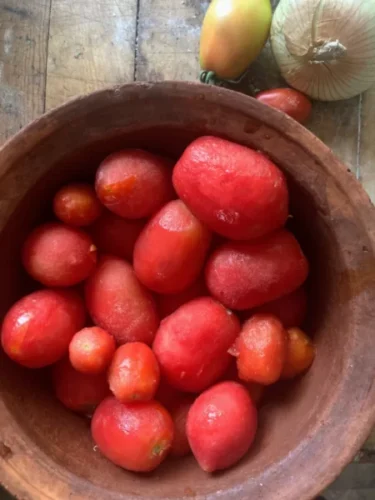
If you’re curious about whether clay can help you enjoy your favorite foods again, start by trying out a tomato sauce, stew, or ratatouille in a pure clay pot made from fresh tomatoes (not commercially canned). Many find that dishes that once caused discomfort no longer do, and taste better too.

Looking for a place to start? Check out this List of Nightshade Vegetables and Fruits and try cooking one of them the clay way.

The Bottom Line

You don’t have to fear night shade foods anymore. Tomatoes, potatoes, eggplant, and peppers can all be enjoyed in moderation, especially when cooked in the safest cookware for sensitive systems.

Nightshades may not be the villain they’ve been made out to be. With pure clay cookware, you can reclaim these nutritious foods and cook them in a way your body will actually thank you for.

Ready to cook without compromise?

Explore MEC Clay Cookware →

The Safest Pressure Cooker for Nourishing, Non-Toxic Cooking

Why it’s time to rethink the conventional pressure cooker?

When it comes to fast, efficient cooking, pressure cookers are hard to beat. But traditional pressure cookers come with their own set of risks, some visible, some hidden. From dangerously hot exteriors to leaching metals and heat that damages food’s delicate and vital nutrients, there is inevitable and dangerous compromise to both health and flavor — it’s time to rethink the conventional pressure cooker.

At Miriam’s Earthen Cookware, we’re reimagining pressure cooking through the lens of non-toxic cooking, safety, and ancient and time- tested wisdom. Our 100% pure clay pots provide a clean, nutrient-preserving, and energy-efficient alternative to metal cookware. And yes, they function beautifully as pressure cookers.

Why Traditional Pressure Cookers May Not Be the Safest Option?

Modern metal pressure cookers are widely used because of their speed and convenience. But these benefits often come at the cost of health, safety, and even cooking quality. Here’s why:

  • Toxic Leaching from Metal Surfaces: Most metal pressure cookers are made from stainless steel or aluminum. When subjected to high heat and pressure, these metals can leach into your food. For example, aluminum is a known neurotoxin, and even stainless steel can leach trace amounts of nickel, chromium, and iron under pressure, particularly when cooking acidic foods like tomatoes, citrus, or vinegar-based dishes.
  • Extreme Surface Temperatures: Conventional pressure cookers heat up fast. The result is a cookware surface that becomes dangerously hot within minutes. Many users (including Miriam herself!) recall burning their fingers when handling or opening these pots.
  • No Visibility or Flexibility: Once a traditional pressure cooker is sealed, there’s no peeking inside. You can’t check texture, flavor, or moisture levels. If you misjudge the timing, you’re left with overcooked or burnt food. This inflexibility makes precision cooking almost impossible.
  • Loud, Stressful Cooking Experience: Traditional pressure cookers hiss, steam, and sputter with high pressure. This not only creates a loud kitchen environment, but also adds a level of stress and caution to your cooking process.
    Here’s a little bit of history of the Pressure Cooker:Clay was humanity’s original cookware, and the original pressure cooker. Long before metals entered the kitchen, people cooked in clay pots that naturally retained steam, gently infusing food with moisture and preserving its nutrients.When cookware shifted to metals, manufacturers tried to mimic clay’s steam-locking ability. But metal conducts heat harshly, and the intense pressure forced them to clamp lids tightly just to keep steam inside. This aggressive cooking method damages delicate nutrients, stripping food of its natural value.They started making them first with aluminium,  a metal later found to pose serious health risks. As concerns about aluminum’s toxicity grew, manufacturers quietly transitioned to stainless steel. But this switch didn’t solve the problem.Unlike aluminum, which is a single metal, stainless steel is an alloy, a mix of several metals, each with its own reactivity. These metals readily interact with the hydrogen, oxygen, acids, and bases naturally present in food. Under heat and pressure, they can leach into the food, compromising its purity and safety.So while stainless steel may seem like a safer alternative, it still introduces chemical reactivity that clay cookware avoids entirely.Also, while metal pressure cookers may retain steam, they fall short of replicating the wholesome results of clay. Not only is nutrition compromised, but the food also risks contamination from metal leaching, especially under high heat and pressure.That’s why Miriam’s Earthen Cookware is committed to bringing people back to the original pressure cooker, reimagined for modern stoves. Our pots are designed with a unique lid that locks steam in naturally. As the food cooks, steam rises, circulates gently, condenses, and returns to the food, preserving flavor, nutrients, and purity without force or toxins.

The Miriam’s Difference: Pure Clay Pressure Cooking

What makes Miriam’s the safest pressure cooker alternative? It starts with the clay itself. We use 100% primary clay, sourced and tested for purity. No glazes, no metals, no additives. Here’s what that means for you:

Safe, Breathable Material: Unlike metal or glazed ceramic, our clay is completely inert. It won’t react with acidic foods, and it doesn’t leach any harmful substances, even under pressure or high heat.

Natural Pressure Cooking with Clay: Miriam’s pots, when used with their dome lids and gentle, low-to-medium heat, create a natural pressure environment. Moisture is retained within the pot, circulating as steam and enhancing flavor and nutrient absorption.

Lower Heat, Better Efficiency: You don’t need high heat to reach cooking pressure in Miriam’s pots. Because clay holds onto heat and releases it slowly, medium or even low heat is often sufficient. This means less energy use and reduced risk of burning your food, or your fingers.

Open the Lid Anytime: One of the most unique features of Miriam’s clay pots is that you can safely open the lid mid-cook. Curious about your lentils? Want to check your rice texture? Go ahead. There’s no pressure lock, no dangerous steam release. Just easy, intuitive cooking.

Cooler Exteriors, Safer Handling: Clay retains heat within the pot instead of radiating it outward. The result? The outside of your Miriam’s pot remains comfortably warm, not dangerously hot.

Longer Heat Retention: Once cooking is done, your Miriam’s pot continues to hold heat for much longer than metal, keeping your food warm without additional energy input.

Pressure Cooker Recipes that Work Beautifully in Miriam’s Cookware

The benefits of pressure cooking, fast cook times, tender textures, and flavor development, are all achievable in Miriam’s cookware. Here are a few examples of popular pressure cooker recipes  you can make in your clay pot:

Bone Broth: Extract maximum collagen and nutrients from bones without the use of high-pressure metal. The broth gels beautifully in MEC.

Beans and Lentils: Chickpeas, black beans, and split dals cook fully without splitting or sticking to the bottom.

Spanish Rice, Brown Rice, Basmati: Our customers consistently say rice made in clay tastes better, fluffier, more aromatic, and never scorched.

One-Pot Curries & Stews: The even heat distribution enhances slow-simmered dishes with rich flavor and perfect texture.

Because clay is breathable, steam is allowed to circulate in a balanced way. This helps concentrate natural flavors while retaining nutrients that often get lost in high-heat metal pots.

Healthier Food Through Gentler Cooking

Many people are switching to clay cookware not just for safety, but because of how it makes them feelClay cooking supports better gut health, improved digestion, and less exposure to heavy metals.

The lower cooking temperatures mean vitamins, particularly water-soluble ones like B and C, are better preserved. The absence of synthetic materials and glazes also ensures you aren’t unknowingly ingesting endocrine-disrupting chemicalsor other toxins that migrate from cookware into your meals.

Innovation with Ancient Roots

At Miriam’s Earthen Cookware, we’ve fused ancient knowledge with modern needs. While our cookware is shaped using age-old techniques, it’s backed by modern testing and safety standards. We don’t just make pots, we support a growing movement of conscious, health-aware cooks who want cookware that matches their lifestyle.

Using clay for pressure cooking might sound old-fashioned, but when you try it, you’ll find it’s more intuitive, more peaceful, and ultimately more nourishing than anything an electric or metal cooker could offer.

Who Should Make the Switch?

If you’re someone who:

  • Is concerned about non-toxic cooking
  • Wants to avoid heavy metals and synthetic coatings
  • Prefers checking and adjusting food during cooking
  • Cooks for family or for health reasons
  • Cares about sustainability and energy efficiency

Then Miriam’s cookware is for you. You’ll find that cooking becomes less stressful, more flavorful, and deeply aligned with how food should be prepared.

Ready to Try a Safer Way?

You don’t need to give up the convenience of pressure cooking, you just need a healthier tool for the job. Miriam’s pots allow you to make the same nourishing meals, with more peace of mind and less risk to your health.

Explore our full range of handcrafted safest clay cookware, and reclaim your kitchen, one pot at a time.

Non-Toxic Rice Cooking: Why Clay Cookware Is the Healthier Choice

The Best Non-Toxic Rice Cooker Alternative: Why Clay Preserves Nutrients Better

Grains like rice, quinoa, barley, and millet form the foundation of diets around the world. As the base of the nutritional pyramid, these complex carbohydrates offer more than just energy; they are packed with essential nutrients, vitamins, and minerals that support overall health and well-being.

PFAS-free clay rice pot

Rice, in particular, contains vital nutrients such as magnesium, selenium, manganese, and B vitamins (especially B1, B3, and B6). These micronutrients help in energy metabolism, support the nervous system, and aid in cell regeneration. However, many of these benefits are lost when rice and other grains are cooked in conventional electric rice cookers.

The Problem with Electric Rice Cookers

Most electric rice cookers are made from materials like aluminum (with non-stick coatings), stainless steel, or even plastic components. Non-stick coatings such as Teflon (PTFE) release harmful chemicals like PFOA and PFAS when heated, these ingredients leach these toxic chemicals into your rice. Studies have shown that these substances can accumulate in the body and are linked to various health issues. Aluminum has been linked to neurotoxicity, while stainless steel, being an alloy, can leach various metals under heat and acidic  or alkaline conditions.

Worse still, these cookers often operate at high, uneven temperatures, which break down water-soluble vitamins (like C and B complex vitamins) and reduce the bioavailability of key nutrients in your grains. In effect, the very appliance meant to simplify cooking is also stripping away the health benefits of whole grains!

Rice Cooked in Clay: Preserving Nutrients Naturally

Unlike electric rice cookers, clay pots, especially those made from 100% primary clayoffer a non-toxic, nutrient-preserving alternative. At Miriam’s Earthen Cookware, our pots are handcrafted from lab-tested, pure primary clay and made without glazes, additives, or heavy metals. This means zero leaching, even under high temperatures.

Rice made in clay is cooked with gentle, far-infrared heat that retains the integrity of all its vitamins and minerals. It also locks in steam naturally, keeping your rice and grains moist without overcooking or drying them out. This traditional, time-tested method helps retain water-soluble vitamins and enhances both the taste and nutritional profile of your food.

Choosing a Truly Non-Toxic Rice Cooker

If you’re searching for a non-toxic rice cooker or a safer way to prepare grains, look no further than Miriam’s clay cookware. It offers everything modern cookers lack: safety, breathability, and nutrient preservation.

Curious how it compares to the rest? Check out our in-depth post on the best rice cooker that’s healthy and non-toxic for more information.

What to Remember

  • Rice and other grains are rich in essential nutrients that are often lost in electric cookers.
  • Materials like non-stick coatings, aluminum, and stainless steel can leach chemicals or metals into your food.
  • Cooking rice in clay preserves vitamins, improves flavor, and ensures toxin-free cooking.

Make the switch to Miriam’s Earthen Cookware, a truly non-toxic rice cooking solution rooted in tradition, backed by science, and loved by cooks around the world who care about health.

FAQs

Is cooking rice in clay healthier than using an electric rice cooker?  

Yes. Clay cooking retains more nutrients and avoids chemical leaching from synthetic materials.

What are PFAS and why should I avoid them?  

PFAS are synthetic chemicals found in non-stick coatings. They’ve been linked to health risks and are best avoided in cookware.

How does primary clay cookware preserve nutrients?  

The gentle heat that 100% primary clay pots radiate is vastly different from metals and ceraimics, helping retain water-soluble vitamins and minerals that are often lost in high-heat cooking.

Healthy Living Tips for Fall: Recipes, Cookware & Simple Shifts for a Healthier Body and Home

As the air turns crisp and routines settle back in after summer, fall offers the perfect opportunity to reset your habits and embrace a healthier, more grounded lifestyle.

From seasonal nutrition to non-toxic cookware and mindful routines, small intentional changes can make a big difference in how you feel this season. Whether you’re already on a wellness journey or just looking for ways to feel better in your body, this guide is for you.

Let’s explore simple and effective healthy living tips to help you support a healthy body, and live a more sustainabletoxin-free and healthy lifestyle this fall.

HEALTHY LIVING, , healthy body, healthy lifestyle,

🍁 1. Focus on Warming, Whole-Food Recipes that provide a healthy nutritional value:

Fall is all about comforting meals that nourish from the inside out. Shift from cold salads and smoothies to warming foods like:

  • Roasted root vegetables (sweet potatoes, carrots, beets)
  • Slow-cooked soups and stews
  • Fermented foods like homemade yogurt or sourdough
  • Spiced teas and broths for warmth and digestion

These foods support your immune system, balance your energy, and naturally align with seasonal changes. Want to try a few? Here are some healthy fall recipes you can cook in clay:

🫖 2. Swap Toxic, Unsafe Cookware for Safer Alternatives

If you’re working toward a healthy lifestyle, don’t overlook what you’re cooking in. The wrong cookware can silently sabotage your nutrition goals by leaching harmful metals and chemicals into your food, especially with longer cooking times common in the fall.

At Miriam’s Earthen Cookware, we handcraft 100% non-toxic clay cookware that supports your health, not compromises it.

  • No metals, glazes, or synthetic coatings
  • Retains nutrients enhancing flavor
  • Doubles as Dutch oven, slow cooker, and pressure cooker
  • Easy to clean, naturally non-stick, and beautifully versatile

Want to know more? Read our in-depth guide:
👉 Healthy & Green Cookware – Why It Matters

🌿 3. Align Your Lifestyle with the Season

Healthy living isn’t just about food, it’s about your entire environment. As the season changes, now is the perfect time to:

  • Declutter and detox your kitchen:  simplify ingredients, compost, and swap plastics for pure clay or glass
  • Get sunlight and fresh air daily: even 15 minutes can support mood and immunity
  • Start a morning or evening habit: herbal tea, journaling, stretching
  • Limit screen time before bed — opt for reading or prayer to support rest

Small, consistent shifts like these nurture both a healthy body and a calm mind.

🍂 Ready to Embrace Healthy Living This Fall?

You don’t need a complete lifestyle overhaul to feel better this season, just a few grounded steps in the right direction.

From switching to safer cookware to cooking whole seasonal foods, healthy living is about consistency, simplicity, and nourishment. Start with one small change, and watch your habits (and your health) transform over time.


Explore Our Non-Toxic Clay Cookware

4 Comfort Recipes That Truly Taste Better in Clay (and Why)

Some dishes warm you from the inside out, and when they’re cooked in the right pot, they become more than just nourishing meals… they become memorable experiences.

At Miriam’s Earthen Cookware, we often hear customers say:

“I’ve made this recipe a hundred times, but it’s never tasted this good before.”

What’s the secret? It’s not just the ingredients. It’s the cookware.

Cooking in pure clay pots transforms everyday recipes into something extraordinary. Clay’s unique thermal and all-natural properties enhance flavor, preserve nutrients, and bring out the richness of whole foods, all without toxins or heavy metals.

Below, we’re sharing four recipes that taste better in clay, and why your current cookware might be holding them back.

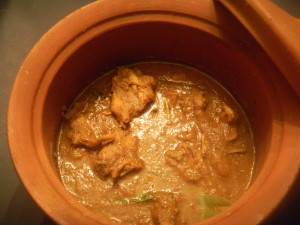
Delicious and Healthy Chicken Curry

chicken curry

Tender chicken pieces, aromatic spices, and a silky tomato-based gravy come together in this classic dish, perfect for weeknight dinners or slow Sunday meals. The curry is gently spiced and comforting, with ingredients that support both digestion and flavor.

Why it’s better in clay:
Clay’s far-infrared heat penetrates meat and spices more deeply than metal pots, meaning every bite of chicken is rich, juicy, and infused with flavor. Miriam’s pots also trap steam inside, helping the curry cook in its own juices without drying out.

Bonus: The non-toxic, unglazed surface won’t react with acidic tomatoes or spices, keeping your food clean and safe.

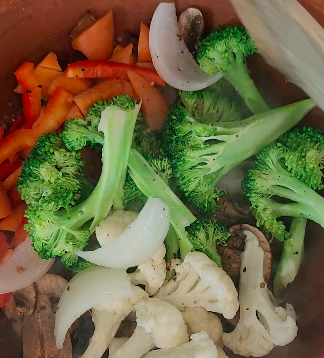
Easy and Delicious Veggie Stir Fry

This quick and colorful stir fry is packed with seasonal vegetables: broccoli, carrots, bell peppers, and more,  lightly seasoned to let their natural flavors shine. It’s a weeknight hero: light, satisfying, and ready in under 30 minutes.

Why it’s better in clay:
Unlike metal, clay heats evenly and gently, so your veggies cook without scorching or losing their crunch. Plus, nutrient retention is higher, thanks to the pot’s ability to lock in steam and cook at lower temperatures.

Result? Bright, vibrant, truly alive veggies with no metallic aftertaste.

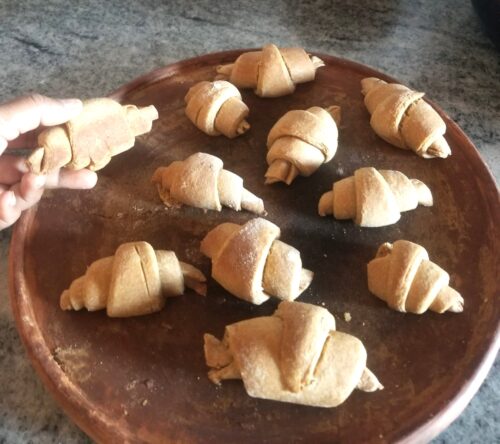
Healthy, Wholesome & Easy Wheat Croissants

Healthy whole wheat croissants baked on Miriam's 100% non toxic griddle

These hearty croissants are made with whole wheat flour and just a touch of natural sweetener. They’re flakey, soft on the inside, and perfect for pairing with jam, honey, or a cup of tea. A nourishing twist on a classic pastry.

Why it’s better in clay:
Yes, you can bake in clay too. Clay pots mimic the effects of a brick oven, creating a warm, humid baking environment that yields soft interiors and perfectly crisp exteriors.

Your wheat croissants will rise naturally, with better flavor and texture than metal trays can offer, all without leaching unwanted chemicals into your dough.


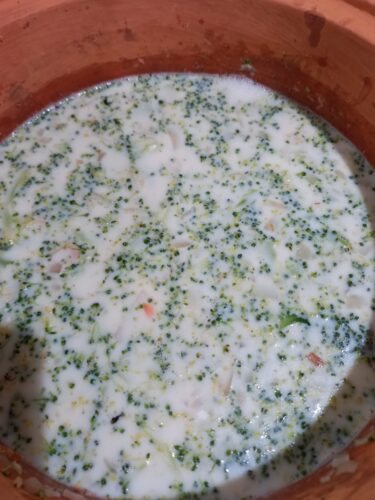
Broccoli and Potato Chowder

Creamy, cozy, and loaded with nutrients, this chowder blends earthy potatoes with tender broccoli in a velvety broth. A handful of spices, a splash of milk or coconut milk, and you’ve got the perfect bowl for cool nights and warm lunches alike.

Why it’s better in clay:
Soups and chowders in MEC pots simmer more slowly and evenly, bringing out the natural sweetness of vegetables and starches. Because the heat radiates from all sides — not just the bottom, there’s no risk of scorching or uneven cooking.

It’s the kind of dish that gets better with every bite.


Why Do Recipes Taste Better in Clay?

Because clay isn’t just a cooking vessel, it’s an ingredient in your cooking process. Here’s how:

  • Far-infrared heat cooks food evenly and deeply
  • Steam-locking lids help preserve moisture and nutrients
  • Non-toxic surface no glazes, metals, or synthetic coatings
  • Naturally alkaline material balances acidity and enhances flavor
  • Versatile design for stovetop, oven, and even open flame
  • Naturally non-stick and easy to clean


Make Every Meal Taste Better, and Safer

Modern convenience shouldn’t come at the cost of your health or flavor. With Miriam’s Earthen Cookware, you can enjoy your favorite recipes the way nature intended. Rich in nutrients, safe from toxins, and bursting with flavor.

Ready to experience the difference? Start with one of our best-selling medium pots:
Shop Miriam’s Earthen Cookware

Want to know why clay is the safest option for your kitchen?
Read our cornerstone article: Healthy & Green Cookware

Happy cooking!

The Safest Cookware for Fall: Non-Toxic Dutch Ovens & Slow Cookers That Are Healthy and Easy to Use

As the days get shorter and the air turns crisp, many of us instinctively reach for our slow cookers and Dutch ovens. These trusted kitchen tools help us prepare the hearty soups, stews, and roasts that define comfort food season. But before we settle into our fall cooking routines, it’s worth asking a simple but vital question:

What is the safest cookware for your health?

If your go-to slow cooker or Dutch oven is made from conventional metal, nonstick, or glazed ceramic materials, the answer might surprise you.

Why Most Cookware Isn’t As Safe As It Seems

Cookware made with metals like aluminum or stainless steel, or coated with synthetic nonstick finishes, can leach toxic substances into food, especially during slow cooking, which involves prolonged exposure to heat.

Even enamel-coated cast iron and “green” ceramic options may contain glazes or heavy metals like lead and cadmium, which can leach over time. And slow cookers, in particular, often contain questionable interior materials that break down under consistent heat.

So if you’re wondering what the safest pots and pans to cook with truly are, especially for long, slow cooking methods, it’s essential to look beyond the labels.

What to Look for in the Safest Cookware Material

To find the safest cookware, keep these health-first criteria in mind:

  • Non-reactive materials: Cookware should never alter or interact with your food.
  • No glazes, no coatings, no chemicals: These often contain hidden toxins.
  • Natural heat retention and even cooking: Safe cookware should perform beautifully, too.

The healthiest cookware doesn’t just avoid harm,  it actively supports your well-being, preserves nutrients, and enhances flavor.

Why Miriam’s Earthen Cookware Is the Safest & Healthiest Option

At Miriam’s Earthen Cookware, we handcraft pots and pans using only 100% primary, all-natural clay, no glazes, no coatings, and no toxins of any kind. Our clay is tested and certified to be free from lead, cadmium, and all harmful metals.

Whether you’re simmering lentils, roasting vegetables, or preparing a slow-cooked stew, Miriam’s cookware delivers:

  • Zero leaching at any temperature
  • Superior heat retention — cooks evenly and stays warm for hours
  • Naturally non-stick surfaces that are easy to clean
  • Beautiful, multipurpose designs that can go from stove to oven to table

They’re more than just the safest cookwarethey’re also the most versatile. Our medium and large pots serve as the best non-toxic Dutch ovens, pressure cookers, and even yogurt makers. And when it comes to slow cookers – the concious cook is looking for Lead and cadmium free slow cookers, preferably made in the USA! Miriam’s earthen cookware might just be your answer here as well, becuase not only are they FREE of Lead and cadmium — which means it still has some of both, our pots and pans are the only cookware that is 100% void of these toxic elements (see test results).

Slow Cooked Meals, Made Safer & Tastier

As you get ready to dust off your Dutch oven or plug in your slow cooker, consider this: with Miriam’s Earthen Cookware, you don’t need extra appliances or bulky equipment. One clay pot can do it all, safely and naturally.

Try:

  • A hearty vegetable stew slow-cooked in our large pot
  • Braised meats that retain deep, earthy flavor
  • Beans that become tender and digestible without soaking
  • Oatmeal that stays warm until everyone wakes up

And unlike conventional cookware, Miriam’s pots are a breeze to clean. No harsh scrubbing or chemical cleaners required.

Make the Switch to the Safest Cookware Today

Before fall is in full swing, take a moment to reevaluate what’s in your kitchen. The safest and healthiest cookware material isn’t found in metal or synthetic coatings, it’s found in nature.

🌿 Ready to detox your cookware? Learn more in our cornerstone article:
👉 Healthy & Green Cookware – Why It Matters

🍲 Or shop Miriam’s versatile, non-toxic clay pots, perfect as Dutch ovens or slow cookers:
👉 Browse Miriam’s Clay Pots

Your body, and your food, will thank you.

A Natural Alternative to the Modern Water Softener System

Have you been searching for an all-natural way to soften, cool, and purify your water without chemicals, electricity, or waste? Your search ends here. Miriam’s Earthen Cookware proudly introduces our Water Jar the most simple, most time-tested, and no-tech alternative to the conventional water softener system.

Just add tap water to your jar and within 30 minutes enjoy delicious, “sweet,” and naturally purified water. Handcrafted in the USA from 100% primary clay, this stunning vessel is not only beautiful but also one of nature’s best water softening and filtration systems.

Why Rethink the Conventional Water Softener System?

Traditional water softener systems often use ion-exchange resins to replace calcium and magnesium ions with sodium or potassium. While effective at reducing hardness, these systems can:

  • Increase sodium levels in drinking water.
  • Require constant maintenance and costly regeneration cycles.
  • Produce brine wastewater that harms the environment.

Miriam’s Water Jar offers a natural solution without these drawbacks.

How Clay Softens and Purifies Water

Clay has been used for millennia to condition, cool, and store drinking water. Scientific studies now validate what traditional cultures have always known:

  • Reduction of Hardness and TDS: A 2024 study showed that storing water in clay pots reduced hardness and lowered total dissolved solids significantly within just seven days.
  • Adsorption of Contaminants: Clay minerals naturally adsorb harmful ions such as chlorides, nitrates, ammonia, and even arsenic.
  • Alkalizing Effect: Miriam’s pure clay is alkaline, helping neutralize today’s often acidic water, which not only improves health but also enhances the taste.
  • Antibacterial Properties: Primary clay used in MEC jars has natural antibacterial qualities, improving microbial safety.
  • Improved Structure & Energy: The egg-shaped design creates a gentle vortex-like movement, mimicking natural springs and enhancing water quality.


The Miriam’s Difference

What sets Miriam’s Earthen Cookware apart is the commitment to health and thoughtful design. Each jar is 100% non-toxic, with no additives, glazes, extenders, plasticizers, dyes, or chemicals, and is tested and certified free from lead, cadmium, and other heavy metals. Handmade in the USA, every jar is carefully shaped and finished from pure primary clay. The design is intentional: a wide mouth makes it easy to clean and serve, the classic egg shape encourages natural water circulation, and an integrated stand ensures safe placement on any surface. Uniquely, MEC’s Water Jar can also be placed on a gas stove or open flame to boil water for sanitization if needed, making it both functional and versatile.

How Miriam’s Water Jar Works

  1. Cooling & Purification by Evaporation
    Just as the body perspires to cool itself, the Water Jar “sweats” through its semi-porous walls. This process draws out impurities and allows evaporation to cool and purify the water.
  2. Ion Exchange & Detoxification
    The positively charged ions in clay attract negatively charged toxins and remove them naturally. Studies confirm clay’s ability to reduce harmful chemicals such as chlorides, nitrates, ammonia, and arsenic.
  3. Constant Circulation
    The egg-shaped jar encourages a natural flow: warm water rises, cools at the widest point, then sinks back down. This continuous motion keeps water fresh and energized, much like flowing springs.
  4. Alkalization
    Storing water in Miriam’s clay jars neutralizes acidity, resulting in water that is healthier and tastes noticeably “sweet.”
  5. Antibacterial by Nature
    MEC clay contains natural antibacterial properties, enhancing the jar’s role as a purifier.

Care Instructions

  • Seasoning: Before first use, rinse thoroughly, fill halfway with water, and let sit overnight. Empty and refill. Within 30 minutes of the second fill, water is ready to drink.
  • Cleaning: Scrub the outside with a brush and baking soda or non-toxic soap every few uses. The inside is self-cleaning — just rinse and swish with water.
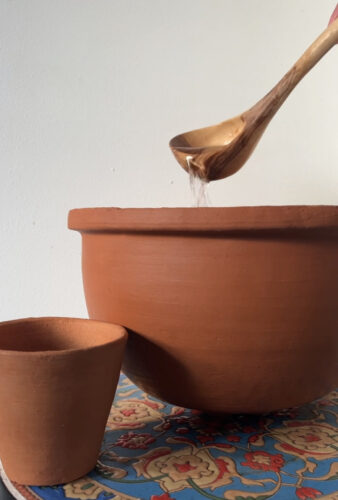
  • Serving: Use a ladle, measuring cup, or dip directly. The jar’s wide mouth makes serving simple.
  • Hard Water Deposits: White deposits on the outside are normal in hard water areas and do not affect function.

Why No Spigot?

Many water jars include spigots, but here at Miriam’s, we intentionally avoided them to preserve health and function. Spigots disrupt the natural vortex movement of water and introduce materials like metal or plastic that can harbor toxins and bacteria. The crevices around spigots also make thorough cleaning difficult, and there is always some water wasted below the spigot line. Over time, spigots can break or leak, adding to maintenance. By contrast, scooping water with a ladle is faster, easier, and more hygienic, making it the superior choice for both health and practicality.

A Healthier Alternative to the Water Softener System

Unlike conventional softeners, MEC’s Water Jar:

  • Softens water without sodium or chemicals.
  • Requires no electricity, waste discharge, or maintenance.
  • Improves taste, alkalinity, and microbial safety.
  • Brings an elegant, natural design into your home.

Bringing Health Back to the Table

For thousands of years, clay has been humanity’s most trusted water softener system, naturally cooling, purifying, and energizing water. Miriam’s Earthen Cookware continues that tradition with a modern, sustainable, and health-focused approach.

Choose the Miriam’s Water Jar and rediscover water the way nature intended: clean, sweet, and life-giving.

👉 Shop Miriam’s Water Jar

Healthy Meals Made Simple: Easy Recipes in Non-Toxic Cookware 

When it comes to cooking at home, most of us want meals that are both healthy and easy. A quick search for easy recipes brings up thousands of ideas, but very few of them mention something just as important as the ingredients: the cooking pot!

The truth is, even the healthiest ingredients can lose their value if cooked in pots and pans that leach toxins or strip away nutrients. That’s why making simple, wholesome meals in 100% non-toxic clay cookware is one of the best choices you can make for your family.

At Miriam’s Earthen Cookware, we believe that preparing nourishing meals shouldn’t be complicated. With just a few fresh ingredients and the right pot, you can create dishes that are easy, flavorful, and deeply satisfying.

Why Cookware Matters for Easy Recipes

Cooking doesn’t have to be a chore. But if your cookware is made from metals, ceramics with glazes, or non-stick coatings, your easy recipes might be taking on hidden risks:

  • Leaching toxins — Metals and ceramics and their chemical laden coatings can release harmful substances into food when heated.
  • Loss of nutrients — Harsh cooking environments can destroy delicate vitamins and minerals.
  • Unnatural flavors — The leached toxins can alter the natural taste of food. Additionally their destructive heat destropys the delicate flavanoids – flavor yeilding nutrients in food.

Miriam’s pure clay cookware offers a clean alternative. With natural, even heat distribution, food cooks more efficiently, often requiring fewer steps. The result? Healthier, quicker, tastier meals that are less cumbersome to prepare.

3 Easy Recipes for Everyday Cooking

Here are three recipes you can try this week, nutritious, simple, and made even better when cooked in 100% non-toxic clay pots.

1. One-Pot Vegetable Quinoa Pilaf

Ingredients:

  • 1 cup quinoa, rinsed
  • 2 cups vegetable broth
  • 1 onion, chopped
  • 1 carrot, diced
  • 1 zucchini, diced
  • 1 bell pepper, chopped
  • 2 garlic cloves, minced
  • 1 tsp cumin
  • Salt and pepper to taste
  • Fresh parsley for garnish

Instructions:

  1. In your Miriam’s Medium Pot, sauté onion and garlic in 1 tbsp olive oil until fragrant.
  2. Add carrots, zucchini, and bell pepper, cooking lightly for 2–3 minutes.
  3. Stir in quinoa, broth, cumin, salt, and pepper.
  4. Cover and cook on low heat for 20–25 minutes, until liquid is absorbed.
  5. Fluff with a fork and top with parsley before serving.

2. Quick Chicken & Vegetable Stew

Ingredients:

  • 1 lb boneless chicken thighs, whole or cubed
  • 1 onion, chopped
  • 2 garlic cloves, minced
  • 2 carrots, chopped
  • 2 potatoes, cubed
  • 3 tablespoons of all-purpose flour
  • 2 cups chicken broth (or water) + 1 cup of whey (optional)
  • 1 bay leaf
  • 1 tsp thyme
  • Salt and pepper to taste

Instructions:

  1. Heat 1 tbsp olive oil in your Large Miriam’s  Pot. Brown chicken for 5-6 minutes on each side
  2. Add onion and garlic, cooking until softened.
  3. Add flour, stir until mixture becomes crumbly
  4. Stir in cold broth and whey, mixing quickly to avoid clumping
  5. Stir in carrots, potatoes, bay leaf, thyme, salt, and pepper.
  6. Cover and simmer on low heat for 35–40 minutes, until vegetables are tender.
  7. Serve warm with crusty bread.

3. Clay Pot Cinnamon Oatmeal (Breakfast Bonus)

Ingredients:

  • 1 cup rolled oats
  • 2 ½ cups water
  • 1/4 cup milk (optional)
  • 1 apple, diced or shredded
  • ½ tsp cinnamon
  • 1 tbsp honey or maple syrup
  • Pinch of salt

Instructions:

  1. Add oats, water, apple, cinnamon, and salt to your Miriam’s Small Pot.
  2. Cover and cook on low heat for 15 minutes, stirring occasionally.
  3. Remove from heat and drizzle with honey or maple syrup before serving.

The Benefits of Non-Toxic Clay Cookware for Busy Families

When you’re balancing work, family, and daily life, the last thing you need is complicated cooking. Miriam’s clay pots make everyday meals easier by:

  • Cooking evenly and gently — less stirring, less monitoring.
  • Preserving nutrients naturally — so your family gets more out of every bite.
  • Enhancing flavor with fewer ingredients — clay amplifies the natural taste of food.
  • Simplifying cleanup — food doesn’t stick to pure clay the way it does in metal pans. These naturally non-toxic pots make cleaning after cooking a super easy thing. Just add water to pot let it soak for 5-10 minutes, rinse off with non-toxic soap or baking soda.

That’s why easy recipes and non-toxic cookware go hand in hand: the combination saves you time and supports long-term wellness.


Bringing Health Back to the Table

Cooking at home shouldn’t be stressful, it should be nourishing, simple, and joyful. By choosing clean, 100% non-toxic cookware, you not only make your favorite easy recipes healthier but also preserve the natural flavors and nutrients your family deserves.

This week, try one of these recipes in your Miriam’s cook-with-ease pots and taste the difference for yourself.

Connecting to Our Roots Through Cookware Made in the USA

BIBLICAL COOKING: MEALS, VESSELS, AND MEANING

When you picture meals from the Bible, you may think of lentils, barley, figs, grapes, unleavened bread, or roasted lamb. But consider this: what were these foods cooked in? The vessels were simple yet profound, clay pots formed from the earth itself.

Scripture mentions clay vessels over 50 times, often as symbols of humility, purity, and divine purpose. Jeremiah speaks of God as the potter shaping the clay. Elijah was sustained by food stored in a clay jar that miraculously never ran empty. Clay vessels were not just functional; they were sacred tools for daily life.

Why clay? Because it is natural, abundant, and safe. Pure, primary clay is also naturally antibacterial so food cooked in MEC pots stays fresh longer. Unlike today’s synthetic, metal, or chemical-based cookware, clay doesn’t leach toxins or compromise nourishment. In fact, it preserves the integrity of the food, something modern science now confirms and something Miriam’s continues to honor with its USA-made cookware.

Lessons from the Bible for Today’s Kitchen

The Bible highlights both plants and animals as God’s provision for nourishment:

Genesis 1:29— God first provides fruits and plants for food, underscoring the value of fresh, natural produce.
Genesis 9:3 — After the flood, God expands the diet, saying: “Everything that lives and moves about will be food for you. Just as I gave you the green plants, I now give you everything.”
Exodus 12:8— At the first Passover, God commands His people to eat “the meat roasted over the fire, along with bitter herbs, and bread made without yeast.”

When you cook in handmade clay pots, you honor this balance. Whether simmering a lentil stew or slow-cooking lamb, clay cookware keeps food whole, flavorful, and true to its God-given design.

What’s in Your Kitchen?

Pause for a moment and open your kitchen cabinets. Are your pots made of aluminum, non-stick chemicals, or glazed ceramics? Would any of those have existed 2,000 years ago? And beyond that, are they produced with the same care and standards as cookware made in the USA? If your cookware cannot stand the test of time, history, health, or craftsmanship, it may be working against your intention to cook nourishing meals.

Miriam’s Mission

Founder Miriam Kattumuri at the potter’s wheel, carrying forward an ancient craft into today’s kitchens with cookware made in the USA

Miriam set out to revive something ancient yet revolutionary: cooking as our ancestors did, but in a way suited for today. With 100% primary clay, free from metals, toxins, and glazes, Miriam’s cookware carries forward a biblical principle, keeping what is sacred pure. And with all production done in the USA, every pot represents not just health and heritage, but also American craftsmanship and self-reliance.

Her vision is not just about selling cookware; it is about restoring health, heritage, and meaning to the kitchen table, while supporting ethical, local, and sustainable work right here at home.

Behind the Scenes: Crafting Our Cookware

Shaped with patience and care, each MEC pot is crafted by hand from pure clay, a tradition rooted in the earth and perfected in the USA

At MEC, every pot goes through a journey that begins with the earth itself. Our clay is carefully sourced, then prepared with water and patience before ever meeting the potter’s wheel. Unlike mass-produced cookware, each step of the process is slow, deliberate, and human. This hands-on method not only preserves the purity of the clay but also ensures that no two pots are exactly alike. Each is a work of art meant to nourish families for generations.

From shaping on the wheel, to smoothing by hand, to air drying on wooden shelves, and finally to being fired in the kiln, every pot carries the marks of craftsmanship. This is what makes our cookware so unique: it’s not just about utility, but about integrity, tradition, and care woven into each vessel.

Every pot begins as pure, raw clay shaped by hand. No machines, no shortcuts, just time, skill, and care.

Our artisans craft each vessel slowly and intentionally, keeping alive an ancient tradition of pottery-making in a modern American studio. Each pot is touched dozens of times before it reaches your kitchen, a true labor of love that blends biblical tradition with American ingenuity. When you hold a Miriam’s pot, you’re not just holding cookware. You’re holding a story, a legacy, and a commitment to health and heritage.

Two Biblical Recipes to Try at Home

Barley & Lentil Pottage (Daniel 1, Ezekiel 4:9)

Ingredients:

  •  1/2 cup barley (optional: soaked overnight)
  • 1/2 cup green or brown lentils
  • 1 carrot, diced
  • 1 onion, chopped
  • 2 garlic cloves, minced
  • 1/2 tsp cumin
  • 1/2 tsp turmeric
  • Salt to taste
  • 4 cups water or vegetable broth
  • Fresh parsley or cilantro

Instructions:

Combine ingredients in your Miriam’s Large Pan, simmer gently for 45–60 minutes, and serve with rustic bread. Simple, nourishing, and timeless.

Shepherd’s Lamb Stew (Genesis 18:7, 2 Samuel 12:4)

Ingredients:

  • 1 lb lamb shoulder, cubed
  • 1 onion, chopped
  • 2 garlic cloves, minced
  • 2 carrots, chopped
  • 1 turnip or potato, cubed
  •  1 tsp ground coriander
  • 1/2 tsp cinnamon
  • 1.5 tsp Salt
  • 1 tbsp olive oil, tallow, or ghee
  • 3–4 cups bone broth or water

Instructions:

Brown lamb in your Miriam’s Large Pot with oil. Add aromatics, vegetables, and broth. Cover and cook slowly for 3-4 hours until tender. Serve with barley or flatbread.

——————————–

Bringing Faith Back to the Table

Cooking in clay is more than a technique, it’s an act of remembrance. Each meal becomes a way to honor the wisdom of Scripture, the health of your family, and the traditions of those who came before us. Whether you prepare a humble lentil stew or a celebratory lamb dish, you are partaking in the same rhythm of life shared by biblical families thousands of years ago.

This week, we invite you to reclaim that rhythm. Bring faith, food, and family together around your table with Miriam’s Earthen Cookware.

The Rise of Non-Toxic Cookware

In recent years, nontoxic cooking has shifted from a niche lifestyle choice to a public health priority. From the kitchen tables of American families to the highest levels of government, the tide is turning toward safer, cleaner ways of preparing food.

This shift isn’t just about what’s on the plate but also about what it’s cooked in. Conventional pots and pans, often made with metals, synthetic glazes, and industrial coatings, can leach harmful substances into food, especially when exposed to high heat or acidic ingredients. Over time, these toxins accumulate in the body, contributing to long-term health risks.

Now, even policymakers are recognizing the urgency. The White House recently emphasized the dangers of toxic additives in the American food supply, highlighting their potential impact on everything from childhood development to chronic illness. Legislative proposals and FDA actions, like the recent push to remove artificial food dyes from food and medicine, are part of a growing movement to eliminate toxins wherever possible. This cultural and regulatory momentum has made nontoxic cookware more than just a trend—it’s become a necessity.

The Market’s Missing Piece

While grocery shelves are filling with organic produce, cleaner snacks, and minimally processed foods, the cookware aisle tells a different story. Many so-called “green” or “eco” options still rely on coatings, chemical bonding agents, or hybrid materials that compromise their safety. True nontoxic cookware completely  free from metals, chemicals, and glazes, is still rare.

This is where Miriam’s Earthen Cookware steps in to fill the void. Made from the purest primary clay sourced in the USA, Miriam’s pots and pans are handcrafted without additives, coatings, or synthetic materials. The result is cookware that’s not only safe but also enhances the quality and flavor of food.

The Miriam’s Difference

  • 100% Non-Toxic Clay — No glazes, no chemicals, no hidden metals.
  • Nutrient Preservation — Gentle, even heat protects vitamins, minerals, and natural flavors.
  • Alkaline Cooking Benefits — Clay naturally balances pH levels, aiding digestion and reducing acidity.
  • Natural Mineral Release — Today’s farming methods often depletes food of vital nutrients. These pots, made from pure, mineral-rich clay, restore balance by replenishing essential minerals like calcium, magnesium, and iron present in it, during cooking.
  • Made in the USA — Sustainable, ethical production from locally sourced clay.

Cooking in Miriam’s is about more than avoiding harm, it’s about actively improving the nutritional profile of your meals.

From the Top Down: A Movement Gains Strength

With health experts, government agencies, and conscious consumers pushing for cleaner living, the demand for nontoxic cookware is growing rapidly. Miriam’s Earthen Cookware is proud to be part of this movement, offering a truly safe and effective option that aligns with the larger vision of toxin-free living.

Their mission is simple, cooking should heal, not harm. Miriam creates cookware that’s safe enough to use every day, for this generation and the next.

From the Kitchen to the Table

The timeless design of Miriam’s Earthen Cookware also makes it ideal for serving. Whether it’s a slow-simmered stew, a hearty roast, or a fresh-baked loaf of bread, Miriam’s pots retain heat beautifully and elevate the presentation at the table. They are more than cooking vessels, they’re heirlooms in the making.

As the shift toward toxin-free living accelerates, nontoxic cookware will no longer be the exception: it will be the standard. And Miriam’s Earthen Cookware is ready to lead the way.