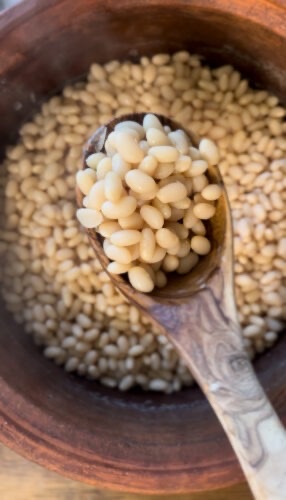
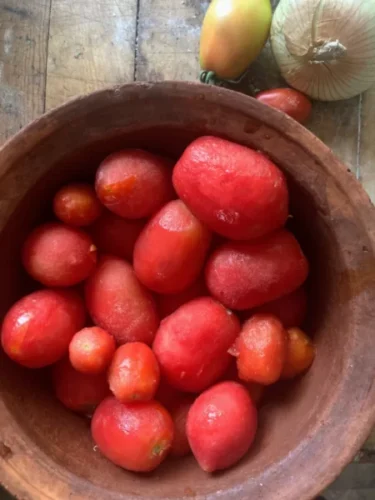
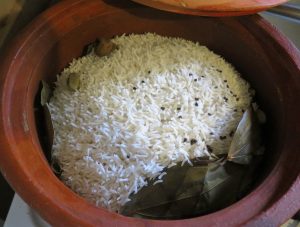
Cooking in pure clay is as old as history and as new as tomorrow! Here we expound it’s mysteries, myths and truth and discuss how it can be of value to modern day problems.
Can Your Pots and Pans Affect Your Weight and Skin Health?
Picture a few familiar frustrations. A teenager washes his face twice a day, cuts out soda, and still battles stubborn acne. An older couple manages years of psoriasis and eczema flare-ups that never quite settle. A young woman is tired of layering on makeup just to feel like she has a little glow. And someone in their forties has spent twenty years trying nearly everything to reach a healthy weight, eating well, moving more, and still feeling stuck.
What if part of the answer wasn’t in the food, the gym, or the skincare aisle, but in the pots and pans they cook with every single day? It sounds surprising, but the cookware in your kitchen may be quietly influencing both your waistline and your skin. Let’s look at how!
What Are the Toxic Cookware Chemicals Sabotaging Your Skin and Weight Goals, and How?
Most conventional cookware isn’t as neutral as it looks. Nonstick pans are typically coated with synthetic fluoropolymers like PTFE, part of a family of chemicals called PFAS, the now-infamous “forever chemicals.” And here’s what’s often left out: the concern isn’t just about scratched or worn pans. Every time a nonstick coating is heated, which is every time you cook, it can release fumes and compounds. PFAS don’t just pass through: research links them to real metabolic and hormonal effects.
Studies have associated PFAS exposure with endocrine (hormone) disruption, and hormones are the body’s master regulators of both metabolism responsible for weight management and skin. When hormone signaling is thrown off, it can influence how the body stores fat, regulates appetite, and manages inflammation, the same inflammation that shows up on your skin as breakouts, redness, and irritation. Reactive metals from other cookware, and heavy metals like lead or cadmium in low quality imported glazes, only add to the daily toxic load your body has to process. Every meal cooked in compromised cookware is a small, repeated exposure, and those add up.
What Nutritionally Depleted Food From Conventional Cookware Is Costing Your Health, Skin, and Weight
There’s a second, quieter cost: the nutrients you lose. The vitamins and minerals that keep skin glowing and metabolism happening are often the most fragile and delicate and subject to destruction with damaging heat. And the heat from conventional cookware – metal, ceramic and non-stick alike is near-infrared heat – One that causes extensive damage to these vital and delicate nutrients even before they can reach your plate.
Nutrients Needed for Healthy Skin, and How Pure Clay Preserves Them
Beautiful skin is quite literally built from nutrients: Vitamin C to produce collagen, healthy fats to keep the skin barrier supple, and antioxidants to fight the free radicals behind premature aging. But many of these are water-soluble and heat-sensitive, vitamin C and folate degrade quickly under high heat and leach into cooking water. Cook them in a reactive metal pan, and much of that skin-nourishing value is gone.
Miriam’s pure clay pots work differently. They cook with gentle, even heat that locks in moisture, creating a low, slow environment that helps protect delicate nutrients rather than blasting them away. More surviving nutrients on your plate means more of the raw materials your skin needs to repair, renew, and glow, beauty, quite genuinely, from within.
Sustainable weight management isn’t about one dramatic change, it’s about removing the hidden obstacles working against you.
How Metal and Chemical Leaching From Cookware Contributes to Weight Struggles, and How Miriam’s Cookware Eliminates the Problem
Here’s the connection most people never make. If PFAS and other cookware chemicals can disrupt the hormones that govern metabolism and fat storage, then every meal cooked in that cookware may be quietly working against your weight goals, no matter how disciplined you are with diet and exercise. Add nutrient-depleted food to the equation, and the body, still hungry for the vitamins and minerals it didn’t get, keeps signaling for more. It’s a recipe for feeling stuck.
Miriam’s Earthen Cookware removes that variable entirely. Handcrafted in the USA from 100% pure primary clay, finished by hand burnishing without any toxic glaze, it’s completely inert and tested free of lead and cadmium, with no PFAS, no coatings, and no reactive metals. There’s nothing to leach into your food, and nothing sabotaging your body’s hormonal balance from the pan up. Just clean, nutrient-rich food, cooked the way nature intended. So when cooking in these pots, Your body gets all the nutrients that it needs from every meal, keeping the body nourished and satisfied. And there are no toxins or chemicals present to disrupt the body’s natural ability to metabolize food.
Clean Cooking, Clear Skin, Healthy Weight: The Hidden Benefits of Non-Toxic, Green Pots
When you cook clean, two things happen at once: you stop adding toxins to your body, and you stop stripping nutrients from your food. That double win is where the real magic lives. Lower toxic load means less inflammation and less hormonal disruption. Higher nutrient retention means more of what your skin and metabolism actually need. Miriam’s non-toxic cookware isn’t a gimmick, it’s a foundation for whole-body wellness, quietly working in your favor three times a day.
Beautiful Skin Starts in the Kitchen: Why Non-Toxic Pots, Pans, and Water Matter
Glowing skin is far less about what you put on your face and far more about what you put in your body. When your food is cooked in inert, non-toxic cookware, and paired with clean, pure water, you reduce the chemical burden your skin has to fight through and maximize the nutrients that keep it clear and radiant. Fewer inflammatory toxins, more skin-building vitamins, that’s the combination behind a natural, makeup-optional glow.
The most powerful skincare routine may simply begin at the stove.
Healthy Weight Begins With a Healthy Pot: How Miriam’s Earthen Cookware Makes the Difference
Sustainable weight management isn’t about one dramatic change, it’s about removing the hidden obstacles working against you. When you cook in Miriam’s pure clay, you eliminate the endocrine-disrupting chemicals that can quietly interfere with metabolism, and you keep more of the nutrients that help your body feel truly nourished and satisfied. It’s not a magic bullet, it’s the removal of an invisible roadblock so your healthy efforts can finally show results.
As Jo from Texas shared: “I’m finally enjoying more energy, better sleep, and steady improvements in my overall health”(read more)
When you cookware is trustworthy, you can focus on the wholesome cooking that supports the body you’re working toward.
It all connects: the cookware you use shapes the toxins you take in and the nutrients you keep, and that ripples out to your whole-body wellness, right down to your weight and your skin.
So, Can Your Pots and Pans Affect Your Weight and Skin Health?
Yes, they truly can. The cookware you use every day either adds to your body’s burden or lightens it, either strips your food of nourishment or protects it. Clean, non-toxic cooking reduces the toxins that disrupt your hormones and inflame your skin, while providing the nutrients that fuel a healthy metabolism and a radiant complexion. Your pots and pans aren’t just tools, they’re daily companions on your journey to better health. And when you choose pure, natural clay, you choose cookware that works with your body, meal after meal, toward the clearer skin, healthier weight, and vibrant wellness you deserve.
Frequently Asked Questions
Can non-toxic cookware help support healthy weight management? It can play a meaningful supporting role. Toxic cookware chemicals like PFAS are linked to hormone disruption that can affect metabolism, so cooking in Miriam’s inert, non-toxic cookware removes one hidden obstacle to your weight goals, while helping preserve the nutrients that keep your body satisfied. If diet and exercise alone haven’t been enough, isn’t it worth removing this invisible roadblock too?
What is the connection between non-toxic cooking and glowing skin? Skin is built from nutrients and harmed by inflammation. Non-toxic cookware reduces the chemical exposure that can drive skin inflammation, while gentle cooking preserves the vitamins and healthy fats your skin needs to stay clear and radiant. Beautiful skin really can start in the kitchen.
Can reducing everyday toxin exposure improve your metabolism and wellness? Lowering your daily toxic load eases the burden on the systems that regulate metabolism and hormones, supporting your body’s natural balance. Cookware is one of the most overlooked sources of daily exposure, so why not start where you cook every meal?
Why are health-conscious home cooks switching to non-toxic pots and pans? Because they’ve realized that clean eating starts with clean cooking. There’s little point in buying organic, nutrient-rich food only to cook it in cookware that leaches chemicals or destroys those nutrients. Non-toxic cookware like Miriam’s Earthen Cookware protects the investment you’re already making in your health.
Are PFAS and other cookware chemicals linked to weight gain? Research links PFAS exposure to endocrine disruption that can influence metabolism and fat regulation. From the first time you cook a nonstick cookware it can release these chemicals into food, choosing PFAS-free cookware is a simple way to reduce that exposure at the source.
Can toxic cookware contribute to skin problems like acne and inflammation? Toxin exposure and chronic inflammation are closely connected, and inflammation often shows up in the skin. By reducing the chemical load from your cookware and preserving anti-inflammatory nutrients in your food, clean cooking supports calmer, healthier-looking skin from the inside out.
Which cookware material is the safest for healthy cooking? Miriam’s natural clay cookware made without any chemicals or additives is considered one of the most inert and safest cookware options because it doesn’t leach metals or synthetic chemicals into food. It cooks with gentle, far-infrared heat that helps preserve the delicate nutrients important for healthy weight and beautiful skin. So if your goal is better health, shouldn’t you be cooking in cookware that protects your food and keeps it completely non-toxic?
More people than ever are rethinking their kitchens, not just what they cook, but what they cook it in, where it comes from, and what it leaves behind. As awareness grows around both personal health and environmental impact, eco-friendly cookware has moved from a niche interest to a genuine priority for families who want a safer, greener home.
But “eco-friendly” and “non-toxic” get used loosely, and not all cookware that claims to be sustainable actually is. This guide breaks down what eco-friendly cookware really means, which materials are the safest and most sustainable, how to choose well, and how to build a greener kitchen from the ground up, one thoughtful choice at a time.
From the earth to the end of its life, pure clay is the greener choice at every stage.
What Is Eco-Friendly Cookware and Why Does It Matter?
Eco-friendly cookware is cookware designed to minimize harm, both to your health and to the planet, across its entire life, from how it’s made to how it’s used to what happens when it’s finally done. Truly sustainable cookware is made from natural, responsibly sourced materials, avoids toxic coatings and chemicals, uses energy efficiently, and doesn’t leave a lasting burden on the environment. It sits right at the intersection of cookware safety, sustainable cooking, and healthy living.
How Cookware Affects Your Health and the Environment
Cookware isn’t a passive tool. The material your pot or pan is made from comes into direct, sustained contact with your food, often under heat and moisture, exactly the conditions that can cause reactive materials to leach into what you eat, whether the food is acidic or alkaline. This is why regulators treat cookware as a category of food-contact materials and evaluate substances that can migrate from them into food. Non-stick coatings can shed particles and release fumes, reactive metals can migrate into food, and glazes can contain toxic heavy metals like lead, cadmium, and arsenic, which are used to create bright colors, deep glosses, or special melting properties. Choosing safe cookware materials is one of the simplest ways to support a healthier home.
The environmental footprint is just as real. Most conventional cookware is made from mined metals or synthetic materials that require energy-intensive, often polluting manufacturing, then travels across oceans to reach your kitchen, and eventually ends up in a landfill where it may never break down. This is why, choosing healthy cookware and choosing sustainable cookware turn out to be, in most cases, the very same choice: the materials that are gentlest on your body tend to be the gentlest on the earth, too!
The Difference Between Eco-Friendly and Conventional Cookware
Our eco-friendly cookware flips that priority. It’s made from natural, renewable, or minimally processed materials, free of synthetic coatings, produced with lower energy and emissions, and designed to last, and ultimately to return to the earth rather than sit in a landfill. The difference isn’t just what the cookware is; it’s the entire lifecycle behind it.
Key Features of Sustainable Cookware Materials
Genuinely sustainable, non-toxic cookware materials tend to share a handful of traits. They’re made from natural or renewable resources rather than mined or synthetic ones. They contain no toxic coatings, glazes, or additives, making them true chemical-free cookware. They’re durable enough to last for years, reducing waste. They’re efficient to cook with, using and retaining heat well. And at the end of their long life, they can be repurposed or safely returned to the earth. The closer a material comes to checking all of those boxes, the greener, and usually the healthier and safer, it is.
Safest Cookware Materials for a Healthier Kitchen
When it comes to choosing the safest cookware materials, it helps to look honestly at the most common options, what they’re made of, how they interact with food, and how they stack up for both health and sustainability. This is really where you find the best cookware for health.
Earthen Cookware: A Natural Choice for Conscious Cooking
Earthen cookware, cookware made from natural clay, is one of the oldest and most naturally sustainable ways to cook, and it’s exactly why it’s earning new attention today. Pure clay is a natural, renewable material formed from the earth itself. When it’s left unglazed and finished by hand burnishing without any toxic glaze, it stays completely inert while it cooks, adding nothing to your food: no coatings, no reactive metals, no synthetic compounds.
That said, not all earthenware is created equal, and the distinction matters. Cheaper, mass-produced clay cookware, often imported and made with unknown clay or coated in questionable glazes, doesn’t offer the same purity or performance as thoughtfully made, tested clay cookware like Miriam’s Earthen Cookware. The natural benefits of clay only truly hold when the clay itself is pure, responsibly sourced, and free of additives, so where and how your earthen cookware is made is just as important as the fact that it’s clay at all.
That natural inertness is what makes genuine earthen cookware such a strong choice for conscious, eco-conscious cooking. There’s no coating to scratch or degrade, no glaze chemistry to question, and nothing manufactured standing between the natural material and your meal. It cooks with gentle, even heat, retains warmth beautifully, and holds moisture in a way that keeps food tender and flavorful, all from a single, natural material. As a piece of natural cookware, it’s about as close to the source as cooking gets.
Compared to Stainless Steel, Cast Iron, Ceramic, Glass
Each common cookware material has its own profile, and understanding the trade-offs makes the eco-friendly, non-toxic case for earthen cookware clearer.
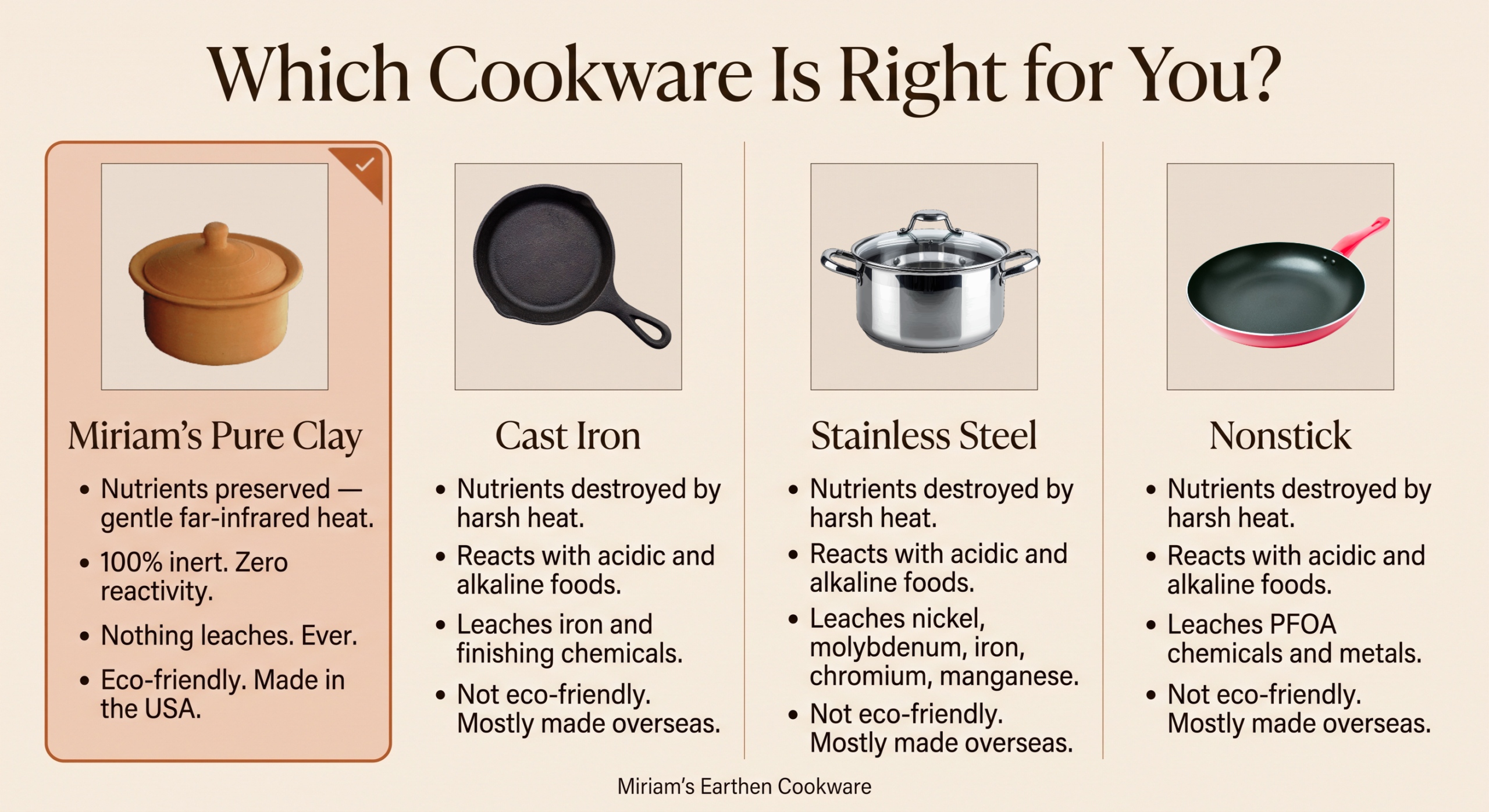
Stainless steel is durable and widely used, but it’s an alloy, and it can leach trace metals like nickel and chromium into food, particularly with prolonged heat and with both acidic and alkaline dishes. Producing it also relies on dangerous mining practices that leave the land completely barren and incapable of supporting life. Additionally, these processes require high amounts of non renewable sources of energy.
Cast iron is prized for durability and heat retention, and it’s more natural than coated cookware, but it’s reactive with both acidic and basic foods, transfers iron into food during cooking, and the released ferrous form of iron from the cookware can generate destructive chemical reactions and cellular damage, contributing to free radical generation, mitochondrial injury, and tissue damage.
Ceramic and ceramic-coated cookware vary enormously in quality. Many “ceramic” pans are actually metal with a synthetic ceramic-style coating that can wear over time, and traditional glazed ceramics can, in lower-quality or imported cases, contain lead or cadmium in the glaze. The FDA has specific guidance on lead-glazed traditional pottery for exactly this reason. The composition of a glaze is something you’re ultimately trusting rather than seeing.
Glass is inert and non-reactive, which is a genuine strength. As everyday cookware, though, it conducts and retains heat poorly and unevenly, making it less efficient to cook with, and it’s prone to thermal shock and breakage. It’s also energy-intensive to manufacture and, while recyclable, doesn’t return to the earth the way a natural material does.
Miriam’s Earthen cookware, by contrast, is a single natural material that stays inert with both acidic and alkaline foods, free of coatings and reactive metals, and gentle and efficient in the way it cooks, which is what makes it stand out in an honest side-by-side comparison for both health and sustainability.
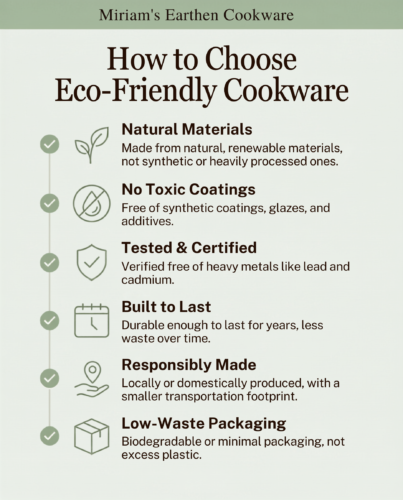
Six things to look for when choosing cookware that’s truly good for you and the planet.
How to Choose Eco-Friendly Cookware for Your Home
Once you understand the materials, choosing eco-friendly cookware comes down to knowing what to look for, and what to ask, before you buy. These simple guidelines make choosing sustainable cookware and other sustainable kitchen products far easier.
What to Look for When Buying Sustainable Cookware
Look for cookware made from natural, renewable materials rather than synthetic or heavily processed ones. Prioritize pieces with no toxic coatings, glazes, or additives, and look for transparent testing and certification (for example, verified free of lead and cadmium, the kind of contaminants the FDA Food Code sets limits on for food-contact surfaces). Favor cookware that’s durable enough to last for years, since longevity is one of the most overlooked green features, a pot you never have to replace is a pot that never becomes waste. Durable, natural pieces like these are the real healthy kitchen essentials.
Consider where and how it’s made, too. Locally or domestically produced cookware carries a far smaller transportation footprint than pieces shipped across the world, and sourcing and production concentrated in one region means fewer emissions from start to finish. Even the packaging matters: biodegradable or minimal packaging reflects a genuine commitment to sustainability rather than a marketing label.
Questions to Ask Before Purchasing New Cookware
Before buying, a few honest questions cut through the marketing. What exactly is this made of, and is the full material disclosed? Is there a coating or glaze, and if so, what’s in it? Has it been tested and certified free of heavy metals like lead and cadmium? Where is it made, and how far does it travel to reach me? How long will it realistically last, and what happens to it at the end of its life, does it decompose, or does it sit in a landfill? Cookware that answers all of those questions confidently is almost always both the safer and the greener choice.
Why Earthen Cookware Is Making a Comeback in Modern Kitchens
For thousands of years, people around the world cooked in clay. Today, as families look for cookware that’s both healthier and more sustainable, earthen cookware is returning to modern kitchens, this time with the added appeal of thoughtful craftsmanship and proven purity.
The Tradition, Craftsmanship & Benefits of cooking with Earthen Cookware
Cooking in clay is a tradition that spans virtually every culture, from Indian and Middle Eastern kitchens to Latin American and Mediterranean cooking. That endurance isn’t nostalgia; it’s because clay genuinely cooks beautifully. Its gentle, even heat and excellent heat retention cook food thoroughly at lower temperatures, while its natural ability to hold moisture keeps grains fluffy, beans tender, and stews rich and deeply flavored.
There’s a nutritional dimension, too. Gentle, moisture-rich cooking helps preserve the heat-sensitive vitamins and minerals that harsh, direct heat can degrade, and a tight-fitting lid that retains steam keeps water-soluble nutrients in the pot rather than letting them escape and evaporate away. In an era of “hidden hunger,” where diets can be full of calories yet short on the micronutrients the body actually needs, cooking methods that help retain more of a food’s nutrition are quietly valuable.
What Makes Miriam’s Earthen Cookware Different
Not all clay cookware is created equal, and this is an important distinction. When people hear that “clay is good,” it’s tempting to reach for the cheapest clay pot available, but material alone isn’t the whole story, in fact, the FDA has found that even pottery labeled “lead free” can still contain extractable lead when manufacturing isn’t carefully controlled, which is exactly why testing matters more than labels. Miriam’s Earthen Cookware is handcrafted in the USA from 100% primary clay, fully finished by hand burnishing without any toxic glaze, and independently tested and certified free of lead and cadmium. There are no coatings, no additives, and no imported supply chain to wonder about, just pure, natural clay.
Beyond the material, Miriam’s is set apart by specific design features that generic clay pots simply don’t have. The lids are engineered to retain steam, with an inner surface that condenses moisture back into the food rather than venting it away, and a distinctive coil-pressed knob. The interior is shaped with downward spirals that help direct heat toward the food and keep steam circulating inside rather than escaping randomly. These are intentional, functional details, the result of harnessing clay’s natural properties through thoughtful craftsmanship, and they’re a big part of what makes Miriam’s stand out from cheaper, mass-produced clay cookware.
That craftsmanship also carries a genuine environmental story. Because Miriam’s is made in the USA from domestically sourced clay, with sourcing and production concentrated in one region, biodegradable packaging, and carbon-neutral shipping, its footprint is dramatically smaller than cookware mined, manufactured, and shipped across the world. And because pure clay lasts for years and ultimately decomposes back into the earth, it never becomes the kind of permanent waste that metal and synthetic cookware leave behind.
Recipes and Meals Perfect for Earthen Cookware
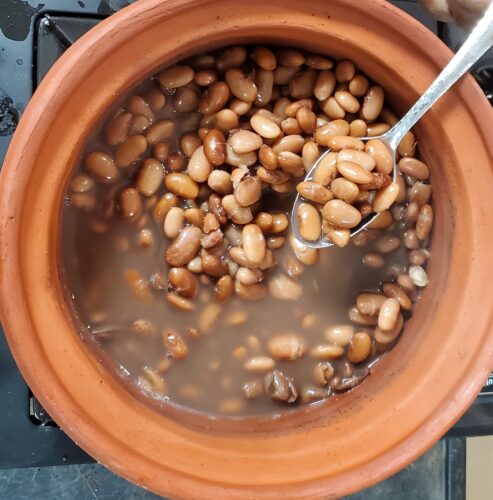
Earthen cookware truly shines with slow-cooked, moisture-rich meals. Soups and stews turn out rich and deeply flavored. Beans, lentils, and pulses cook up especially tender. Rice and whole grains come out fluffy and evenly cooked. Braised vegetables, curries, and one-pot meals develop the kind of depth that gentle, even clay heat is famous for. It’s equally at home with everyday staples and slow weekend cooking, wherever wholesome, natural ingredients deserve to be treated gently.
Building a Greener Kitchen from the Ground Up
Eco-friendly cookware is a powerful starting point, but a truly sustainable kitchen is built through a series of small, intentional habits, the kind of whole-lifecycle thinking that considers not just what you buy, but how long it lasts and what happens to it afterward. Here’s how to extend that greener mindset across your whole kitchen, from the cookware you choose to the way you cook and store food every day, turning an ordinary space into a genuine green living kitchen.
Reducing Waste with Long-Lasting Kitchen Essentials
One of the simplest ways to reduce kitchen waste is to buy things that last. Disposable and low-quality items create a constant cycle of replacement and waste, while durable, well-made essentials, cookware, utensils, and storage you only buy once, quietly shrink your footprint over time. Investing in long-lasting pieces like pure clay cookware, which can serve you for years and even be repurposed for food storage, fermenting, or other uses when the time comes, is sustainability in its most practical form.
Smart Storage and Meal Planning for Less Food Waste
Food waste is one of the biggest hidden sources of household environmental impact, more than a third of the food produced in the U.S. is never eaten, and food sent to landfills generates methane. Thoughtful storage keeps ingredients fresher longer, and simple meal planning, shopping with a plan, cooking what you’ll actually eat, and using leftovers intentionally and safely, cuts down dramatically on what ends up in the trash. Natural, breathable materials can help here too, and building the habit of planning meals around what you already have is one of the highest-impact green changes any kitchen can make.
Energy-Efficient Cooking Tips for Everyday Use
How you cook matters as much as what you cook with. Cookware that retains heat well, like pure clay, lets you cook more efficiently: because it holds warmth so effectively, you can often turn the heat down, or even turn the burner off well before the end of cooking, and let the retained heat finish the meal. Beyond your cookware, cooking practices like matching pot size to burner size, keeping lids on to trap heat, and batch-cooking to make the most of a hot oven or stovetop all reduce energy use, a smart habit for anyone relying on healthy cooking equipment day to day. Small, consistent habits like these add up to a meaningfully greener kitchen over time.
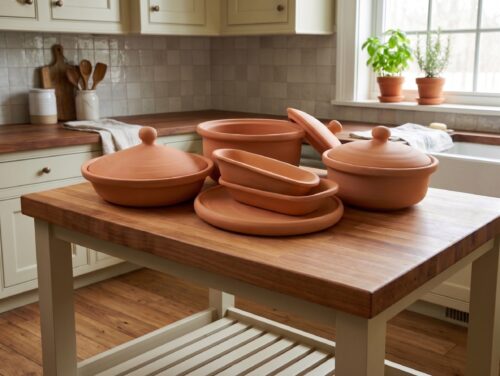
A pure clay kitchen starts here.
Building a Safer, Greener Kitchen, One Choice at a Time
A truly eco-friendly kitchen isn’t built overnight, and it doesn’t require throwing everything out and starting over. It’s built through thoughtful, intentional choices, choosing natural materials over synthetic ones, durable pieces over disposable ones, and cookware that’s as kind to the planet as it is to your family’s health.
Eco-friendly cookware is one of the most meaningful places to start, because it touches your food every single day and shapes your kitchen’s footprint from sourcing all the way to end of life. Pure, natural earthen cookware brings those priorities together beautifully: a single renewable material, free of coatings and toxins, gentle and efficient to cook with, made to last for years, and able to return to the earth when its long life is done. Handcrafted with care and built to last, it’s a simple, time-honored way to cook cleaner, live greener, and care for the people around your table, one wholesome meal at a time.
Frequently Asked Questions About Eco-Friendly and Earthen Cookware
What is the safest cookware for everyday cooking?
The safest cookware for everyday use is made from a natural, inert material that doesn’t leach anything into your food. Pure, unglazed earthen (clay) cookware is one of the safest choices available, it’s completely inert, free of coatings and reactive metals, and when tested and certified free of lead and cadmium, there’s simply nothing to migrate into your meals. It’s always worth choosing food-contact materials appropriate for their use and avoiding damaged coatings or questionable glazes, but for a naturally safe material with nothing added, pure clay is hard to beat.
Is earthen cookware better than nonstick cookware?
For both health and sustainability, earthen cookware has clear advantages over conventional nonstick. Many nonstick pans rely on synthetic PTFE coatings, and while the FDA has authorized certain PFAS-containing materials for specific food-contact uses, these coatings can degrade when scratched or overheated, eventually wear out, and become waste, and the EPA notes that PFAS are persistent in the environment. Pure clay has no coating at all, becomes naturally non-stick with use, is completely inert, and lasts far longer, making it both a cleaner and a greener choice.
What makes cookware eco-friendly?
Cookware is eco-friendly when it minimizes harm across its entire lifecycle: made from natural, renewable materials, free of toxic coatings and chemicals, produced and shipped with a low carbon footprint, durable enough to avoid frequent replacement, and able to be repurposed or safely returned to the earth at the end of its life. The EPA’s sustainable materials framework emphasizes reducing material intensity, keeping products from becoming waste, and increasing reuse, and the more of these a piece of cookware satisfies, the more genuinely sustainable it is.
How long does earthen cookware last?
With proper care, quality pure clay cookware can last for many years, and often improves with use as it seasons and becomes more naturally non-stick. Its longevity is part of what makes it so sustainable: a pot you use for years and can later repurpose is a pot that never becomes landfill waste. And because pure clay is a natural material, it can ultimately decompose back into the earth rather than sitting in a landfill indefinitely.
Is ceramic or earthen cookware healthier?
It depends heavily on the specific product, but pure earthen cookware has an important edge. Many “ceramic” pans are metal with a synthetic ceramic-style coating that can wear over time, and traditional glazed ceramics can, in lower-quality or imported cases, contain lead or cadmium in the glaze. Pure, unglazed clay has no glaze or coating to question at all, it’s a single natural material, which is why it’s often considered one of the cleanest, most transparent options available.
How can I build a sustainable kitchen on a budget?
Building a sustainable kitchen on a budget is about intentional choices over time, not replacing everything at once. Start by reducing food waste through smart storage and meal planning (which also saves money), cook more efficiently with what you already own, and cut down on disposable and single-use items. When you do invest in new cookware, choose durable, long-lasting, natural pieces rather than cheap items you’ll replace repeatedly, buying well once is often more economical, and more sustainable, than buying cheap again and again.
A lot of people put real thought into the food they buy: fresh vegetables, quality proteins, whole grains. Far fewer stop to think about what happens to all that nutrition once it hits the pot or pan. Yet the cookware you use every day has a direct effect on how much of that goodness actually survives to reach your body. Pure clay cookware offers a gentler, cleaner way to cook, one that helps preserve nutrients, avoids introducing chemicals, and treats your food with the care and respect it deserves.
In this article, we’ll look at what sets pure clay cookware apart from conventional cookware, how it helps retain the vitamins and minerals in your food, why non-toxic cookware matters for healthy cooking, and how pure clay compares to stainless steel, cast iron, and nonstick pans.
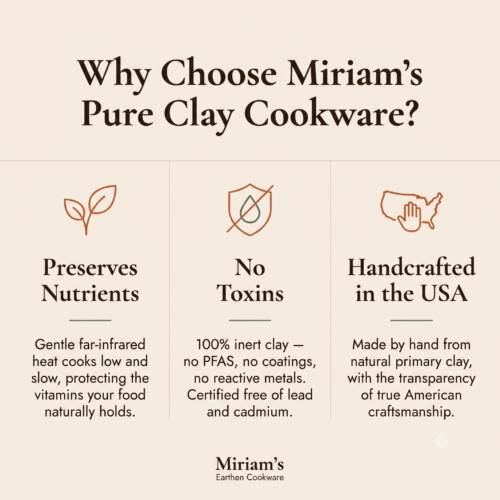
Three simple reasons our pure clay belongs in your kitchen: it preserves the nutrients in your food, adds nothing unwanted, and it’s handcrafted right here in the USA.
What Makes Pure Clay Cookware Different From Conventional Cookware?
The difference starts with the material itself. Most modern cookware is engineered from metals and synthetic compounds, while Miriam’s clay cookware is thoughtfully crafted fired pure earth, and that distinction shapes everything about how it cooks and what it does (or doesn’t) add to your food.
Pure Clay vs. Metal and Synthetic Cooking Materials
Conventional cookware is typically made from aluminum, stainless steel, or metal coated with synthetic non-stick layers. These materials are prized for being cheap to produce and fast to heat, but they are also reactive, and often coated or alloyed with substances that reactively leach into food. Pure clay is fundamentally different: it is a natural, non-reactive material that stays completely inert during cooking. It has no coatings to scratch, no glaze chemistry to question, and nothing synthetic that can migrate into your meal.
The Natural Benefits of Earthen Cookware
Earthen cookware has been used across cultures for thousands of years, and for good reason. Miriam’s clay cooks with a gentle, radiant heat that surrounds food evenly, holds moisture beautifully, and brings out deep, natural flavor. Because it is unglazed and inert, it adds nothing to your food, no metallic taste, no coating particles, just clean cooking. Over time, Miriam’s pure clay pots and pans naturally season with use, becoming more non-stick the more you cook with it.
Why More Consumers Are Choosing Non-Toxic Cookware
Awareness around non-toxic cookware has grown quickly as more families learn what conventional pots and pans can contain. Concerns about PFAS “forever chemicals” in non-stick coatings, reactive metals, and undisclosed glaze compounds have led health-conscious home cooks to seek out safer, more natural alternatives. Pure clay cookware answers that demand directly: it is chemical-free, non-reactive, and made from a single natural material you can actually understand.
How Pure Clay Cookware Helps Preserve Nutrients Naturally
One of the most compelling reasons to cook in clay is nutrient retention. The way food is heated has a real effect on how much of its nutrition survives, and pure clay’s gentle approach is uniquely suited to protecting it.
The Impact of conventional Heat on Vitamins and Minerals
Many of the nutrients that make whole foods valuable are sensitive to heat. Water-soluble vitamins like folate and vitamin C are especially fragile, they degrade quickly when cooking with the damaging near-infrared heat produced by conventional metal and ceramic pots. and dissolve easily into cooking water, while delicate healthy fats can oxidize under aggressive heat. Because these compounds are so vulnerable, the way you cook can have a real effect on how much of them actually survives to nourish you.
Research on home cooking bears this out. A review of cooking methods for vegetables, potatoes, and pulses found that the effect of cooking on nutritional quality varies considerably depending on both the method used and the specific nutrient involved, with cooking approaches that limit exposure to high heat and water generally helping to better retain the most heat-sensitive nutrients. In practical terms, gentler cooking tends to preserve more of the good stuff.
That’s where healthy cookware comes in. Metal cookware heats fast and concentrates that heat into intense hot spots, which can be hard on fragile, heat-sensitive nutrients. Cooking at lower, gentler, more even temperatures is one of the simplest ways to protect the vitamins and minerals in your food, and it’s exactly the kind of cooking in Miriam’s pure clay is made for.
Even Heat Distribution and Gentle Cooking
Pure clay radiates gentle far-infrared heat evenly from all directions, rather than concentrating it on a single hot surface. This means food cooks thoroughly at lower effective temperatures, without the scorching hot spots that break down heat-sensitive vitamins. It’s a gentler approach, and gentler cooking genuinely matters for nutrition: research comparing cooking methods has found that gentle, water-based cooking like steaming tends to preserve antioxidants and vitamin C better than harsh, high-heat methods such as frying. The result is food that comes out tender and cooked through while holding on to more of its natural nutrition, exactly what you want from cookware built for nutrient retention.
Steam-Locking Properties That Support Nutrient Retention
Miriam’s clay pots have been designed with the remarkable ability to hold and circulate moisture as they cook. One way this is accomplished is by facing the clay platelets on the inside of the pot in downwards in spirals. As food heats, the snug-fitting clay lid and the pot’s naturally moisture-retaining walls create a warm, steam-rich environment inside, gently trapping the moisture that would otherwise escape from an open metal pan. Rather than letting steam, and the water-soluble nutrients it carries, evaporate away, the clay keeps it circulating around your food, continually basting it in its own natural juices.
This gentle, moisture-locked cooking does two important things for nutrition. It keeps food tender and prevents it from drying out, and it helps preserve the water-soluble vitamins, like folate and vitamin C, that are so easily lost when moisture boils off or gets poured down the drain with the cooking water. The result is food that stays succulent and holds on to more of the goodness you started with, cooked gently in an environment the clay itself creates.
Preserving nutrients is only half the equation. Truly healthy cooking also means making sure your cookware isn’t adding anything harmful to your food in the process.
Understanding Lead-Free and Chemical-Free Cookware
“Lead-free” is a term worth understanding closely, because it does not always mean what shoppers assume. A great deal of cookware sold today is manufactured overseas, often in facilities where testing is also conducted, under regulatory standards that can be looser than those in the United States. Under current marketing rules, a product can be labeled “lead-free” as long as any lead content falls below a defined regulatory threshold, such as California’s Proposition 65 limits, rather than meaning zero lead is present.
The concern is real, not hypothetical. The FDA notes that lead can leach into food from cookware and traditional pottery, and because there is no known safe level of lead exposure, it monitors and regulates lead in the food supply. In fact, in 2025 the FDA issued a safety warning urging retailers and consumers not to sell or use certain imported cookware found to leach significant levels of lead into food, initiating recalls of numerous products, with young children and pregnant or nursing women identified as most at risk.
This is exactly why sourcing and testing transparency matter so much. Miriam’s Earthen Cookware is made in the USA and is tested and certified free of lead and cadmium, giving families confidence in what they are, and are not, cooking with. With pure, unglazed clay, there is no glaze chemistry to question and no imported supply chain to wonder about, just natural clay and gentle heat.
Avoiding Unwanted Contaminants During Cooking
Beyond lead, conventional cookware can introduce other unwanted substances during cooking. Scratched non-stick coatings shed particles and release fumes, reactive metals like aluminum can leach into both acidic and basic foods, and stainless steel can transfer nickel and chromium under prolonged heat. Cast iron is known to transfer iron into food during cooking, research has shown that most foods cooked in iron cookware absorbed significantly more iron than those cooked in non-iron cookware, with acidic, moisture-rich foods absorbing the most. It’s a clear example of how a reactive cooking surface becomes part of the meal. Miriam’s pure clay works differently: because it’s completely inert, nothing transfers from the pot into your food, no metals, no reactive compounds, nothing but gentle heat.
Choosing the Healthiest Cookware for Your Family
When you’re cooking for the people you love, day after day, the cookware becomes part of the meal. Choosing the healthiest cookware means choosing a material that contributes nothing but gentle heat, no coatings, no reactive metals, no mystery compounds. For many families, pure clay has become the clear answer: a single, natural material with a long, trusted history and nothing to hide.
Pure Clay Cookware vs. Stainless Steel, Cast Iron, and Nonstick Pans
How does pure clay actually stack up against the cookware most people already own? Each material has its place, but for nutrient retention and clean cooking, the differences are meaningful.
Comparing Nutrient Retention Across Cookware Types
Stainless steel is stable and durable but heats aggressively and unevenly, which can be hard on delicate nutrients. Cast iron holds heat well and is beloved for searing, but it also cooks at high temperatures and can react with acidic foods. Nonstick pans cook at lower temperatures but rely on synthetic PTFE coatings that can degrade when overheated or scratched. Pure clay offers gentle, even, moisture-rich heat with no coatings at all, making it especially well suited to preserving the vitamins and minerals in your food.
Heat Transfer and Cooking Performance
Metal cookware transfers heat quickly and intensely, which is useful for fast searing but tough on heat-sensitive nutrients and prone to hot spots. Pure clay works differently: it heats gradually and radiates warmth evenly from every direction, cooking food thoroughly and gently. Once hot, clay retains and distributes that heat beautifully, giving you tender, evenly cooked results with far less risk of scorching.
Which Cookware Is Best for Health-Conscious Home Cooks?
For health-conscious home cooks focused on nutrition and clean cooking, Miriam’s pure clay stands out. It combines gentle nutrient-preserving heat with a completely non-toxic, non-reactive surface, something no coated or metal cookware can fully offer. For everyday cooking of the wholesome meals your family relies on, it’s a genuinely compelling choice.
Why Handmade, Made-in-USA Pure Clay Cookware Is Worth the Investment
Not all clay cookware is created equal, and where and how it’s made matters just as much as the material itself.
The Value of American-Made Craftsmanship
Miriam’s Earthen Cookware is handcrafted in the USA from domestically sourced primary clay, made in small batches and finished by hand burnishing without any toxic glaze. American-made craftsmanship means transparency in how the cookware is sourced, made, and tested, an assurance you don’t get from mass-produced imports. When you invest in handmade cookware from the USA, you know exactly what you’re bringing into your kitchen.
Sustainability and Eco-Friendly Benefits
Pure clay is one of the most naturally sustainable cookware materials available. It’s made from a renewable, abundant natural resource, requires no synthetic coatings or chemical processing, and because it retains heat so efficiently, it can use less energy to cook than poorly-retaining metal cookware. From sourcing to daily use, it’s a gentler choice for the planet as well as your family.
Better Cooking, Better Nutrition, Better Health
Ultimately, choosing handmade, made-in-USA pure clay cookware is an investment in the way you cook and eat every day. Gentler cooking preserves more of your food’s nutrition, an inert surface keeps unwanted substances out of your meals, and a naturally beautiful, time-tested material turns everyday cooking into something a lot more intentional. Better cooking really can mean better nutrition, and better nutrition supports better health.
Fresh, whole ingredients and a pure clay pot, the simple foundation of nutrient-rich, wholesome cooking
Frequently Asked Questions About Pure Clay Cookware
Does Pure Clay Cookware Preserve More Nutrients?
Yes. Because pure clay cooks with gentle, even far-infrared heat at lower effective temperatures and holds moisture well, it helps protect the heat-sensitive vitamins and minerals that aggressive high-heat metal cooking tends to destroy. Its moisture-rich cooking environment also helps retain water-soluble nutrients that can otherwise be lost.
Absolutely. Pure clay cookware is designed for everyday cooking. It becomes more naturally non-stick as it seasons with use, handles everything from grains and stews to soups and vegetables, and only gets better the more you cook with it.
What Foods Taste Best When Cooked in Clay Pots?
Clay excels at slow-cooked, moisture-rich dishes: soups, stews, beans and lentils, rice and whole grains, braised vegetables, and one-pot meals all come out especially tender and flavorful. Because clay retains moisture and cooks gently, it brings out the natural depth of wholesome, everyday ingredients.
Cook Cleaner, Keep More of What Matters
The cookware you choose shapes every meal you make. Pure clay cookware offers a rare combination of gentle, nutrient-preserving heat and a completely non-toxic, non-reactive surface, so the wholesome food you work so hard to prepare reaches the table with more of its goodness intact. Handcrafted in the USA from natural primary clay, it’s a simple, time-honored way to cook cleaner and care for the people around your table.
When the temperature climbs, kids’ appetites and hydration needs shift almost overnight. Choosing the right healthy summer foods for kids is one of the simplest, most effective ways to keep little ones cool, energized, and well-nourished through the hottest months, and it does not require hours in a sweltering kitchen. The best summer nutrition for kids comes down to three things working together: plenty of water-rich foods, lighter meals that are easy to digest in the heat, and a clean, gentle way to cook them.
This post walks through the most hydrating and cooling foods for children, what kids should eat during hot weather, easy snack and meal ideas, and how non-toxic clay pot cooking helps you serve wholesome food that supports your whole family all summer long.
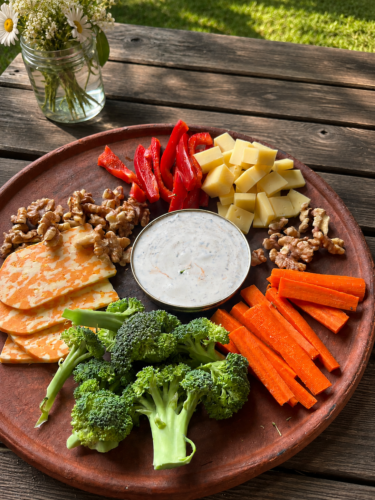
Fresh veggies, good cheese, a handful of walnuts, and a creamy dip, all served on Miriam’s Large Griddle Pan.
What Are the Best Healthy Summer Foods for Kids?
The best healthy summer foods for kids do double duty: they deliver nutrients and fluids at the same time. In hot weather, children lose water quickly through sweat and constant play, so foods with high water content become just as important as what is in their cup.
Water-Rich Fruits That Keep Kids Hydrated
Some fruits are nearly as hydrating as a glass of water, and kids happily eat them by the handful. Reach for watermelon, cantaloupe, strawberries, oranges, peaches, and grapes. They are naturally sweet, rich in vitamins and antioxidants, and their high water content makes them ideal cooling foods for children on a hot afternoon. Keeping a bowl of washed, pre-cut fruit at kid height in the fridge turns hydration into an easy, all-day habit.
Cooling Vegetables for Hot Days
Vegetables with high water content are gentle on little bodies in the heat. Cucumber, zucchini, celery, tomatoes, leafy greens, and bell peppers are refreshing served raw and cook down beautifully when you do want a warm meal. Lightly cooked summer vegetables hold onto more of their moisture and nutrients than heavily fried ones, which is exactly where gentle clay pot cooking earns its place.
Light Proteins for Summer Energy
Active kids still need protein to stay fueled, but summer calls for lighter sources that do not sit heavy. Think eggs, yogurt, lentils, beans, and chicken. Legumes are a summer hero in particular: affordable, filling, and easy to simmer into soft one-pot meals that kids will actually finish.
What Should Kids Eat During Hot Weather?
During hot weather, kids do best with light, water-rich meals eaten in smaller, more frequent portions rather than a few heavy ones. The goal is steady energy and steady hydration throughout the day.
Foods That Help Prevent Dehydration
Hydration is not only about drinking water. Foods high in water and natural minerals help kids stay ahead of dehydrationbefore it starts. Watermelon, cucumber, oranges, coconut water, yogurt, and broth-based soups all replenish fluids along with the minerals lost through sweat. A simple rule of thumb: pair a water-rich food with every meal and snack.
Foods to Avoid in the Heat
A few foods quietly work against kids when it is hot. Very greasy or heavily fried meals feel heavy and take more energy to digest. Sugary sodas and sweetened juices can actually worsen dehydration, and overly salty packaged snacks increase how much fluid a child needs.
Easy Hydrating Snacks for Kids
Snacks carry a lot of the nutritional load in summer, when meals get shuffled around by pool time and late sunsets. The aim with hydrating snacks for kids is simple: maximize water and nutrients, minimize heavy processing.
Quick No-Cook Snack Ideas
On the hottest days, no-cook wins. Cucumber rounds, cherry tomatoes, melon balls, orange wedges, cheese cubes, and veggie sticks with hummus come together in minutes and keep the oven off entirely. Arranged on a natural clay platter, a simple spread like this becomes a colorful, help-yourself snack board the whole family can graze from, proof that clay belongs at the table just as much as it does on the stove.
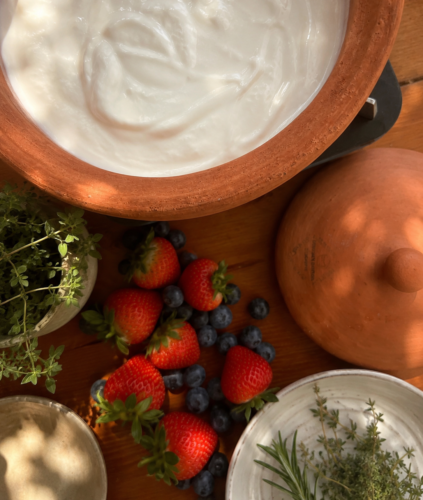
Plain yogurt is a wonderful base for cooling snacks. Stir in fresh berries, add a drizzle of honey for children over one, or blend it with herbs to make a quick veggie dip. Yogurt made at home in pure clay is especially creamy, because clay’s naturally porous walls create ideal conditions for the live cultures that make yogurt so good for growing tummies. It is a small, wholesome ritual that doubles as a hydrating summer snack.
Simple Summer Meals for Kids, Made in One Pot
When it is hot, the last thing any parent wants is a complicated, multi-pan dinner. One-pot summer meals keep things simple, balanced, and cool.
One-pot cooking means less time standing over a hot stove, fewer dishes, and a naturally balanced plate where grains, vegetables, and proteins cook together and share flavor. For families, that is the difference between a healthy homemade meal and reaching for takeout on a scorching evening. It is also the most forgiving way to feed picky eaters, since everything softens into familiar, comforting textures.
Light Clay Pot Meals the Whole Family Will Love
A few ideas that suit hot weather and little appetites: a rice and summer vegetable bowl simmered until tender, a light lentil and squash stew, a gentle chicken and vegetable pot, or a fruit-topped breakfast porridge. Each cooks in a single vessel and leans on hydrating, seasonal ingredients.
Why Non-Toxic Cookware Matters When You’re Cooking for Kids
When you are cooking for children every day, what your food touches under heat matters. Non-toxic cookware means vessels that do not add anything unwanted to the meal: no synthetic coating material is leaching, no reactive metals, and no undisclosed glaze compounds that can leach into food during cooking!
When selecting the safest cookware for your family, the key principle is chemical stability. Materials that remain inert during cooking are less likely to introduce unwanted substances into food. The ideal cookware contains no synthetic coatings that can wear over time, no glazes with complex chemical formulations, and no surface treatments that may degrade with repeated heating and use.
Miriam’s Earthen Cookware was designed with this principle in mind. Crafted from 100% primary clay, sourced right here in the USA, and fully finished by hand burnishing WITHOUT using any toxic glaze, so it contains no synthetic or chemical finishes. Independent testing has verified that it is free of Lead, Cadmium and Arsenic two heavy metals that are of particular concern in food-contact materials.
Because the cookware is made from a single, natural material and remains chemically inert during cooking, it allows the ingredients you carefully choose for your family to remain the focus. From fresh seasonal vegetables to homemade family meals, your food is prepared in a vessel designed to add nothing unnecessary—helping preserve the purity of every meal from pot to plate.
How Clay Pot Cooking Supports Healthy Summer Nutrition
Healthy clay pot cooking is perfect for summer. Pure clay radiates gentle far-infrared heat evenly from all directions, which means food cooks thoroughly at lower effective temperatures. That gentler thermal environment helps preserve the heat-sensitive vitamins, antioxidants, and healthy fats that matter most for growing children, the very nutrients that aggressive high-heat cooking tends to break down.
Clay also holds moisture beautifully, so summer vegetables, grains, and legumes come out tender and hydrating rather than dried out. Paired with the simplicity of one-pot cooking, it turns humble seasonal produce into delicious nourishing family meals with very little effort, which is exactly what summer nutrition for kids should feel like.
FAQ: Summer Nutrition for Kids
What foods keep kids cool in summer?
Water-rich fruits and vegetables like watermelon, cucumber, oranges, and leafy greens help kids feel cooler by hydrating the body from the inside. Light, gently cooked meals also generate less internal heat than heavy, fried foods.
How can I keep my child hydrated naturally?
Offer water often, and pair it with hydrating foods at every meal and snack. Watermelon, cucumber, yogurt, coconut water, and broth-based soups all deliver fluids plus the natural minerals kids lose through sweat, which makes staying hydrated effortless and genuinely enjoyable.
Are clay pots safe for everyday family cooking?
Yes. Miriam’s pure, unglazed clay pots are excellent for daily cooking because they are inert (meaning they dont leach by reacting to foods bio-chemcials), naturally non-stick as they season, and gentle on nutrients. They handle everything from grains and stews to soups and porridges, making them one of the most versatile and family-friendly vessels in the kitchen.
Cook Clean, Cool, and Simple This Summer
Feeding kids well in summer does not have to mean hours in a hot kitchen. Lean on water-rich foods, keep meals light and simple, and cook in a vessel that protects every wholesome ingredient you choose. Pure clay cooks gently, adds nothing to your family’s food, and turns simple seasonal produce into meals your kids will love, one pot at a time.
The holidays are a time to gather, share, and nourish. But as we plan our menus and prepare family-favorite recipes, there’s one question most people never ask:
Non-stick coatings degrade under heat and release harmful PFAS
Metal cookware (like stainless steel, aluminum, and cast iron) leach heavy metals
Glazed ceramics often contain lead or cadmium, even if labeled “food safe”. However, Lead and Cadmium are only the tip of the iceberg, they contain many more oxides and chemcials which readily leach becuase food is a bio-chemcial entity and the volatile nature of these elements especially in the presence of heat.
During the holidays, when cooking times are long and temperatures are high, these risks increase while cooking both acidic and alkaline dishes.
What Makes Clay Cookware Different?
At Miriam’s Earthen Cookware, we make pots, pans, and bakeware from 100% primary clay, no metals, glazes, or additives. Every piece is hand-thrown and fired using traditional methods that prioritize safety, functionality, and flavor.
Clay cooks your food with far-infrared heat, a gentler form of cooking that:
Preserves more nutrients
Locks in natural moisture
Prevents overheating or burning
Leaves no toxic residue behind
And unlike most cookware, it actually gets better with use, naturally non-stick when properly seasoned, and long-lasting when cared for with simple habits.
Why This Matters More During the Holidays
Holiday meals are often rich, slow-cooked, and shared with the people we love most. That’s exactly why non-toxic cookware matters more than ever this time of year.
Using MEC cookware during the holidays means:
Your meals will taste better, with pure, untainted flavor
Your guests, including children and elders, won’t be exposed to heavy metals or chemicals
You can reheat leftovers safely without compromising food quality
You’re making a long-term investment in wellness, sustainability, and tradition
Our Favorite Non-Toxic Holiday Cookware Picks
Here are just a few holiday-ready pieces from the MEC collection:
X-Large Pot: For juicy whole turkeys, bone broth, and family-size soups
Large Pan: Ideal for au gratin potatoes, stuffing, or baked pasta
Small Pan:Perfect for simmering sauces, warming cider, or toasting spices
Large Griddle: Crisp gingerbread biscotti, roast carrots, or reheating leftovers evenly
Non-toxic Cups and Bowls: Serve up your love feast in healthy, lead, cadmium and toxin free bowls and cups!
Looking for the perfect entry point? Try our new 5-Piece Healthy & Green Starter Set, now 10% off for a limited time! As a bonus, the set comes with a free clay bowl, a free clay cup, and a free coconut cleaning set.
As you prepare for your holiday meals, don’t just focus on what goes on your plate, think about what it touches along the way. When your cookware is made from the earth, your food stays closer to its natural form, and your body reaps the benefits.
Wishing you a safe, nourishing, and joy-filled holiday season, from all of us at Miriam’s Earthen Cookware.
The holidays are here, and with them comes the need to deliver a feast that’s both memorable and delicious. The centerpiece of that feast? Cooking juicy turkey, the kind that pulls apart easily, stays moist throughout, and fills the kitchen with comforting aromas.
But the truth is: juicy turkey isn’t just about seasoning or basting. It’s about the vessel you cook it in.
At Miriam’s Earthen Cookware, our 100% pure clay pots are naturally built to create the juiciest turkey you’ve ever tasted. The clay’s unique ability to retain moisture and circulate steam ensures tenderness from the inside out. No drying, no constant basting, and no metallic aftertaste.
And the best part? You can cook your entire holiday menu in the same healthy, non-toxic, all-natural cookware.
Here’s how to build a complete holiday feast — turkey and all — using pure clay pots and pans.
Why Clay Cookware Makes a Juicier Turkey
When you use Miriam’s Earthen Cookware for cooking juicy turkey, you’re taking advantage of three key benefits:
Moisture retention: Clay naturally retains steam and the juices from the turkey (even without the lid on), which circulates within the pot and keeps the turkey basted from the inside out—no constant spooning required.
Even Heat Distribution: Our clay pots cook with far-infrared heat, which penetrates deep into the meat without drying the surface.
No Leaching, Just Flavor: Unlike metal or glazed cookware, our pots won’t leach toxins or off-flavors into your food. Your turkey tastes like turkey, not aluminum-turkey, steel-turkey, or enamel-turkey.
How to Cook a Juicy Turkey in a Clay Pot
What You’ll Need:
A large or X-Large MEC Dutch oven (depending on bird size)
1 fresh or thawed turkey (fits up to 12 lbs comfortably in Miriam’s X-Large)
Aromatics: garlic, rosemary, thyme, onion, lemon
Sea salt and olive oil or ghee
Method:
Season inside and out with salt, herbs, and aromatics.
Place in Miriam’s pot, breast side up. No need to truss or add water.
Place in a cold oven, then turn to 350°F.
Roast 20 minutes per pound, then rest in the pot for 15–20 minutes.
For extra browning, increase heat to 400°F for the remaining 15 minutes of cook time
The result? A bird so tender, the meat pulls away with a spoon.
If you’re looking for an elegant yet ridiculously simple appetizer, look no further than this Holiday Baked Brie. Cooking it in our small MEC pot allows the cheese to warm slowly and evenly, creating a luscious melt that stays warm longer without turning oily or rubbery.
Clay helps the flavors of honey, herbs, fruit, or nuts gently infuse into the brie while preserving its creamy center. Whether you serve it with toasted bread, fresh fruit, or seasonal chutney, it’s a show-stopping starter that brings cozy, gourmet vibes to your holiday table.
This year, skip the scorched cheese and uneven layers. Our Creamy Au Gratin Potatoes, baked in ourLarge Clay Pan, are everything you want in a side dish: velvety soft potatoes layered with cream, herbs, and cheese, and a perfectly crisped top that doesn’t burn or bubble over.
Clay’s gentle heat penetrates each layer without scorching the bottom, and it holds that comforting warmth so your dish stays oven-fresh throughout your meal. It’s rich, golden, and deeply satisfying. Perfect for soaking up those extra bites of turkey and gravy.
Simmering Spiced Apple Cider in a clay pot is one of the best ways to fill your home with the scent of the season. Our MEC Water Jar helps extract the deep, aromatic notes of cinnamon, cloves, star anise, and citrus without overcooking or burning off the delicate flavors.
Unlike metal pots that can boil liquids too aggressively, clay allows your cider to gently warm and steep, bringing out its full complexity while keeping it balanced. Serve it hot with a cinnamon stick or let it cool slightly and store it in the same pot, it stays fresh longer, too.
Glazed carrots are a classic side dish, but cooking them on our Large Pan gives them an unexpected edge. The wide surface lets each carrot slice caramelize without overcrowding or steaming, and the clay retains even heat so the glaze thickens beautifully without burning.
What you get: tender, slightly crisp carrots coated in a glossy, sweet-savory glaze. A little thyme or orange zest can elevate them even more. These aren’t your basic boiled carrots—these are holiday-worthy, flavor-packed, and visually stunning.
Warm spices, subtle molasses sweetness, and a festive crunch Gingerbread Biscotti are the perfect ending to your holiday feast (or your morning coffee the next day). Baked on the Miriam’s Griddle, they crisp up gently and evenly without browning too fast or developing that burnt edge some baking sheets cause.
The clay griddle gives these biscotti a consistent texture and holds the aromatic flavors in beautifully. Plus, the biscotti cool right on the griddle without over-drying, making them just the right amount of crunch with every bite.
Beans and lentils have nourished the masses for centuries. From the dal of ancient India to the chickpea stews of the Mediterranean, these humble legumes were cornerstones of the ancestral diet, a way of eating rooted in seasonal, whole foods and natural preparation methods. But in today’s fast-paced world, the traditional methods of cooking beans have been replaced by pressure cookers, canned goods, and metal pots…tools that speed up the process but often rob legumes of their true nutritional potential.
Fortunately, there’s a better way. With aclay pot cooker, like the handcrafted ones made by Miriam’s Earthen Cookware, you can return to cooking methods that honor both tradition and health-reviving ancient wisdom in your modern kitchen.
Why Are Beans and Lentils So Good for You?
Let’s start with the basics. Lentils nutrition is among the most impressive in the plant world. Just one cup of cooked lentils provides:
18 grams of plant-based protein
15 grams of fiber
A rich source of iron, magnesium, folate, and B vitamins
Beans, too, are loaded with protein, resistant starch, and essential micronutrients. Together, they support heart health, blood sugar regulation, gut health, and sustained energy.
But there’s a catch. Cooking beans improperly can make them hard to digest and diminish nutrient availability due to the presence of anti-nutrients like phytic acid and lectins.
The Anti-Nutrient Problem (and How Clay Fixes It)
Anti-nutrients are naturally occurring compounds found in legumes that block the absorption of minerals and cause bloating or discomfort in many people. These include:
Oligosaccharides, responsible for gas and indigestion
While soaking helps reduce these, modern cooking methods, especially those using metal pots, don’t go far enough.
Enter the clay pot cooker. When you cook beans and lentils in an unglazed primary clay pot:
Anti-nutrients break down thoroughly during longer, even cooking at low-medium temperatures.
The pot’s far-infrared heat penetrates deeply, making legumes softer, richer in flavor, and easier to digest.
There is zero metal or chemical leaching, so the nutrients stay intact and are readily bioavailable.
It’s not just about cooking, it’s about transforming your food into something more nourishing.
Cooking Beans the Ancestral Way
In nearly every culture with a long tradition of legume consumption, you’ll find a clay pot cooker at the heart of the kitchen. Why? Because ancestral wisdom recognized what science now confirms: natural materials like clay cook beans and lentils better.
In Africa, black-eyed peas were slow-cooked in earthen pots over coals.
In Latin America, frijoles simmered in barro clay pots for hours, developing deep flavor and creamy texture.
In India, lentils (dal) were soaked and simmered in hand-formed clay pots, often with turmeric and ghee, both known to improve digestibility.
By using Miriam’s Earthen Cookware, you’re continuing that tradition, 100% non-toxic, handcrafted in the USA, and designed to cook legumes the way nature intended.
How to Cook Beans & Lentils in a Clay Pot
Here’s how to optimize lentils nutrition and bean digestibility with Miriam’s clay pots:
Soaking your beans is OPTIONAL with our clay pots, because they are also pressure cookers!
Rinse and add to your clay pot with water or broth, aromatics, and spices.
Cook on medium-low heat. Miriam’s pots retain heat efficiently and continue cooking even after the heat is turned off.
Let rest after cooking to allow flavors to deepen and digestion-enhancing enzymes to complete their work.
The result? Perfectly tender, flavorful legumes that won’t cause bloating, and leave you feeling energized—not sluggish.
Choosing the Right Clay Pot for the Job
The Small MEC Set of 3 Combo is an ideal starting point for legumes, grains, and everyday meals. These pots are sized perfectly for small-batch cooking and easy storage. Their unglazed surfaces allow water to evaporate slowly, enhancing texture and taste.
Looking to batch-cook beans or prepare meal prep lentil stews for the week? Try our Medium or Large Miriam’s Dutch Oven, which can hold larger quantities without sacrificing quality.
A Return to Real Food
In a world of fast food and fast fixes, returning to the ancestral diet is a revolutionary act of self-care. By cooking beans and lentils the way your great-great-GREAT-grandparents did, in pure clay. You reclaim not just nutrients, but flavor, digestibility, and a connection to the earth.
“Beans like your ancestors made them” isn’t just marketing. It’s a path to better health and a stronger gut.
For many health-conscious eaters, the term “nightshades” raises a red flag. You’ve probably heard the warnings: Nightshades cause inflammation, nightshade veggies are toxic, or avoid tomatoes if you have joint pain. But what if the problem isn’t the vegetable itself… but what it is cooked in?
This week, we’re diving into the complex world of nightshade foods, clearing up confusion, and exploring how cooking them in non-toxic clay cookware can make a world of difference.
Meanwhile, toxic members like deadly nightshade, black nightshade, and bittersweet nightshade often cause confusion due to their ominous names and historical associations.
Despite being nutritious and widely consumed, nightshade plants contain compounds like alkaloids (e.g., solanine) that have been linked to digestive irritation or inflammation in sensitive individuals.
Nightshades and Inflammation: What the Science Says
There is ongoing debate around nightshades and inflammation. While many anecdotal reports claim nightshades worsen joint pain or autoimmune symptoms, the science isn’t entirely conclusive. Some studies suggest that alkaloids may aggravate inflammation in certain individuals, while others show no effect.
According to Medical News Today, those with autoimmune conditions like arthritis may want to test eliminating nightshades from their diet to see if symptoms improve. However, this doesn’t mean nightshades are inherently harmful.
The Missing Piece: How You Cook Them
Most people focus on what they eat, but rarely question how they cook it. Here’s the truth: the cookware you use can significantly affect the way nightshade foods interact with your body.
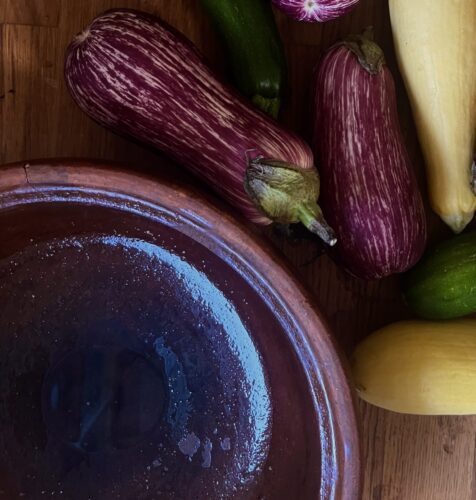
Metal cookware (like aluminum or stainless steel) can leach heavy metals into food, especially when cooking acidic nightshades like tomatoes and peppers AND alkaline vegetables like eggplant and potatoes. Add high heat and reactive materials, and you may be turning a nutritious vegetable into an inflammatory trigger.
Clay cookware, on the other hand, offers a radically different experience. At Miriam’s Earthen Cookware, our pots are made from lab-tested, primary clay 100% non-toxic, unglazed, and handcrafted in the USA. Unlike metal or glazed ceramic, clay doesn’t leach or interfere with food chemistry – its 100% inert or non-reactive. It cooks gently and evenly, helping preserve nutrients while neutralizing acidity.
Many of our customers report improved tolerance to nightshade veggies like eggplant and tomatoes when switching to clay. And over time, a complete elimination of the negative symptoms.
Clay Pots: A Natural Solution for Sensitive Stomachs
If you’ve had issues with nightshade foods inflammation, it may not be the food itself, but the cookware that’s pushing your body over the edge. Cooking in clay allows for:
Lower cooking temperatures
No metal or chemical leaching
Better nutrient retention
Gentler breakdown of food compounds
Plus, clay is naturally alkaline and can help balance the acidity of tomatoes and similar ingredients.
How to Get Started
If you’re curious about whether clay can help you enjoy your favorite foods again, start by trying out a tomato sauce, stew, or ratatouille in a pure clay pot made from fresh tomatoes (not commercially canned). Many find that dishes that once caused discomfort no longer do, and taste better too.
You don’t have to fear night shade foods anymore. Tomatoes, potatoes, eggplant, and peppers can all be enjoyed in moderation, especially when cooked in the safest cookware for sensitive systems.
Nightshades may not be the villain they’ve been made out to be. With pure clay cookware, you can reclaim these nutritious foods and cook them in a way your body will actually thank you for.
Why it’s time to rethink the conventional pressure cooker?
When it comes to fast, efficient cooking, pressure cookers are hard to beat. But traditional pressure cookers come with their own set of risks, some visible, some hidden. From dangerously hot exteriors to leaching metals and heat that damages food’s delicate and vital nutrients, there is inevitable and dangerous compromise to both health and flavor — it’s time to rethink the conventional pressure cooker.
At Miriam’s Earthen Cookware, we’re reimagining pressure cooking through the lens of non-toxic cooking, safety, and ancient and time- tested wisdom. Our 100% pure clay pots provide a clean, nutrient-preserving, and energy-efficient alternative to metal cookware. And yes, they function beautifully as pressure cookers.
Why Traditional Pressure Cookers May Not Be the Safest Option?
Modern metal pressure cookers are widely used because of their speed and convenience. But these benefits often come at the cost of health, safety, and even cooking quality. Here’s why:
Toxic Leaching from Metal Surfaces: Most metal pressure cookers are made from stainless steel or aluminum. When subjected to high heat and pressure, these metals can leach into your food. For example, aluminum is a known neurotoxin, and even stainless steel can leach trace amounts of nickel, chromium, and iron under pressure, particularly when cooking acidic foods like tomatoes, citrus, or vinegar-based dishes.
Extreme Surface Temperatures: Conventional pressure cookers heat up fast. The result is a cookware surface that becomes dangerously hot within minutes. Many users (including Miriam herself!) recall burning their fingers when handling or opening these pots.
No Visibility or Flexibility: Once a traditional pressure cooker is sealed, there’s no peeking inside. You can’t check texture, flavor, or moisture levels. If you misjudge the timing, you’re left with overcooked or burnt food. This inflexibility makes precision cooking almost impossible.
Loud, Stressful Cooking Experience: Traditional pressure cookers hiss, steam, and sputter with high pressure. This not only creates a loud kitchen environment, but also adds a level of stress and caution to your cooking process. Here’s a little bit of history of the Pressure Cooker:Clay was humanity’s original cookware, and the original pressure cooker. Long before metals entered the kitchen, people cooked in clay pots that naturally retained steam, gently infusing food with moisture and preserving its nutrients.When cookware shifted to metals, manufacturers tried to mimic clay’s steam-locking ability. But metal conducts heat harshly, and the intense pressure forced them to clamp lids tightly just to keep steam inside. This aggressive cooking method damages delicate nutrients, stripping food of its natural value.They started making them first with aluminium, a metal later found to pose serious health risks. As concerns about aluminum’s toxicity grew, manufacturers quietly transitioned to stainless steel. But this switch didn’t solve the problem.Unlike aluminum, which is a single metal, stainless steel is an alloy, a mix of several metals, each with its own reactivity. These metals readily interact with the hydrogen, oxygen, acids, and bases naturally present in food. Under heat and pressure, they can leach into the food, compromising its purity and safety.So while stainless steel may seem like a safer alternative, it still introduces chemical reactivity that clay cookware avoids entirely.Also, while metal pressure cookers may retain steam, they fall short of replicating the wholesome results of clay. Not only is nutrition compromised, but the food also risks contamination from metal leaching, especially under high heat and pressure.That’s why Miriam’s Earthen Cookware is committed to bringing people back to the original pressure cooker, reimagined for modern stoves. Our pots are designed with a unique lid that locks steam in naturally. As the food cooks, steam rises, circulates gently, condenses, and returns to the food, preserving flavor, nutrients, and purity without force or toxins.
The Miriam’s Difference: Pure Clay Pressure Cooking
What makes Miriam’s the safest pressure cooker alternative? It starts with the clay itself. We use 100% primary clay, sourced and tested for purity. No glazes, no metals, no additives. Here’s what that means for you:
Safe, Breathable Material: Unlike metal or glazed ceramic, our clay is completely inert. It won’t react with acidic foods, and it doesn’t leach any harmful substances, even under pressure or high heat.
Natural Pressure Cooking with Clay: Miriam’s pots, when used with their dome lids and gentle, low-to-medium heat, create a natural pressure environment. Moisture is retained within the pot, circulating as steam and enhancing flavor and nutrient absorption.
Lower Heat, Better Efficiency: You don’t need high heat to reach cooking pressure in Miriam’s pots. Because clay holds onto heat and releases it slowly, medium or even low heat is often sufficient. This means less energy use and reduced risk of burning your food, or your fingers.
Open the Lid Anytime: One of the most unique features of Miriam’s clay pots is that you can safely open the lid mid-cook. Curious about your lentils? Want to check your rice texture? Go ahead. There’s no pressure lock, no dangerous steam release. Just easy, intuitive cooking.
Cooler Exteriors, Safer Handling: Clay retains heat within the pot instead of radiating it outward. The result? The outside of your Miriam’s pot remains comfortably warm, not dangerously hot.
Longer Heat Retention: Once cooking is done, your Miriam’s pot continues to hold heat for much longer than metal, keeping your food warm without additional energy input.
Pressure Cooker Recipes that Work Beautifully in Miriam’s Cookware
The benefits of pressure cooking, fast cook times, tender textures, and flavor development, are all achievable in Miriam’s cookware. Here are a few examples of popular pressure cooker recipes you can make in your clay pot:
Bone Broth: Extract maximum collagen and nutrients from bones without the use of high-pressure metal. The broth gels beautifully in MEC.
Beans and Lentils: Chickpeas, black beans, and split dals cook fully without splitting or sticking to the bottom.
Spanish Rice, Brown Rice, Basmati: Our customers consistently say rice made in clay tastes better, fluffier, more aromatic, and never scorched.
One-Pot Curries & Stews: The even heat distribution enhances slow-simmered dishes with rich flavor and perfect texture.
Because clay is breathable, steam is allowed to circulate in a balanced way. This helps concentrate natural flavors while retaining nutrients that often get lost in high-heat metal pots.
Healthier Food Through Gentler Cooking
Many people are switching to clay cookware not just for safety, but because of how it makes them feel. Clay cooking supports better gut health, improved digestion, and less exposure to heavy metals.
The lower cooking temperatures mean vitamins, particularly water-soluble ones like B and C, are better preserved. The absence of synthetic materials and glazes also ensures you aren’t unknowingly ingesting endocrine-disrupting chemicalsor other toxins that migrate from cookware into your meals.
Innovation with Ancient Roots
At Miriam’s Earthen Cookware, we’ve fused ancient knowledge with modern needs. While our cookware is shaped using age-old techniques, it’s backed by modern testing and safety standards. We don’t just make pots, we support a growing movement of conscious, health-aware cooks who want cookware that matches their lifestyle.
Using clay for pressure cooking might sound old-fashioned, but when you try it, you’ll find it’s more intuitive, more peaceful, and ultimately more nourishing than anything an electric or metal cooker could offer.
Who Should Make the Switch?
If you’re someone who:
Is concerned about non-toxic cooking
Wants to avoid heavy metals and synthetic coatings
Prefers checking and adjusting food during cooking
Cooks for family or for health reasons
Cares about sustainability and energy efficiency
Then Miriam’s cookware is for you. You’ll find that cooking becomes less stressful, more flavorful, and deeply aligned with how food should be prepared.
Ready to Try a Safer Way?
You don’t need to give up the convenience of pressure cooking, you just need a healthier tool for the job. Miriam’s pots allow you to make the same nourishing meals, with more peace of mind and less risk to your health.
Explore our full range of handcrafted safest clay cookware, and reclaim your kitchen, one pot at a time.
The Best Non-Toxic Rice Cooker Alternative: Why Clay Preserves Nutrients Better
Grains like rice, quinoa, barley, and millet form the foundation of diets around the world. As the base of the nutritional pyramid, these complex carbohydrates offer more than just energy; they are packed with essential nutrients, vitamins, and minerals that support overall health and well-being.
Rice, in particular, contains vital nutrients such as magnesium, selenium, manganese, and B vitamins (especially B1, B3, and B6). These micronutrients help in energy metabolism, support the nervous system, and aid in cell regeneration. However, many of these benefits are lost when rice and other grains are cooked in conventional electric rice cookers.
Worse still, these cookers often operate at high, uneven temperatures, which break down water-soluble vitamins (like C and B complex vitamins) and reduce the bioavailability of key nutrients in your grains. In effect, the very appliance meant to simplify cooking is also stripping away the health benefits of whole grains!
Rice Cooked in Clay: Preserving Nutrients Naturally
Unlike electric rice cookers, clay pots, especially those made from 100% primary clay, offer a non-toxic, nutrient-preserving alternative. At Miriam’s Earthen Cookware, our pots are handcrafted from lab-tested, pure primary clay and made without glazes, additives, or heavy metals. This means zero leaching, even under high temperatures.
Rice made in clay is cooked with gentle, far-infrared heat that retains the integrity of all its vitamins and minerals. It also locks in steam naturally, keeping your rice and grains moist without overcooking or drying them out. This traditional, time-tested method helps retain water-soluble vitamins and enhances both the taste and nutritional profile of your food.
Choosing a Truly Non-Toxic Rice Cooker
If you’re searching for a non-toxic rice cooker or a safer way to prepare grains, look no further than Miriam’s clay cookware. It offers everything modern cookers lack: safety, breathability, and nutrient preservation.
Rice and other grains are rich in essential nutrients that are often lost in electric cookers.
Materials like non-stick coatings, aluminum, and stainless steel can leach chemicals or metals into your food.
Cooking rice in clay preserves vitamins, improves flavor, and ensures toxin-free cooking.
Make the switch to Miriam’s Earthen Cookware, a truly non-toxic rice cooking solution rooted in tradition, backed by science, and loved by cooks around the world who care about health.
FAQs
Is cooking rice in clay healthier than using an electric rice cooker?
Yes. Clay cooking retains more nutrients and avoids chemical leaching from synthetic materials.
What are PFAS and why should I avoid them?
PFAS are synthetic chemicals found in non-stick coatings. They’ve been linked to health risks and are best avoided in cookware.
How does primary clay cookware preserve nutrients?
The gentle heat that 100% primary clay pots radiate is vastly different from metals and ceraimics, helping retain water-soluble vitamins and minerals that are often lost in high-heat cooking.

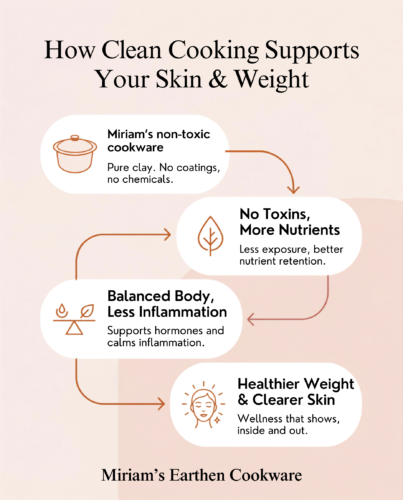
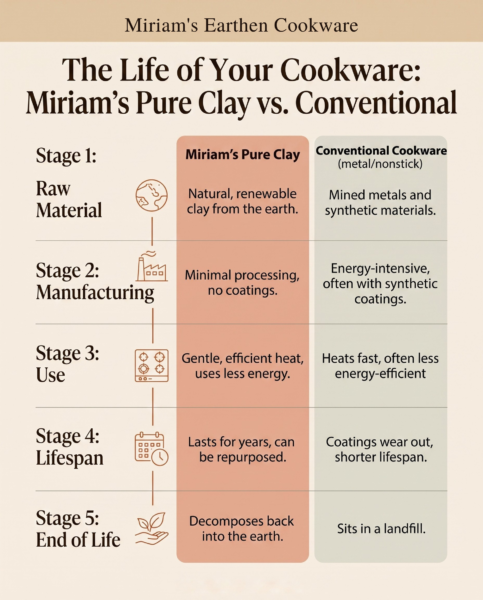
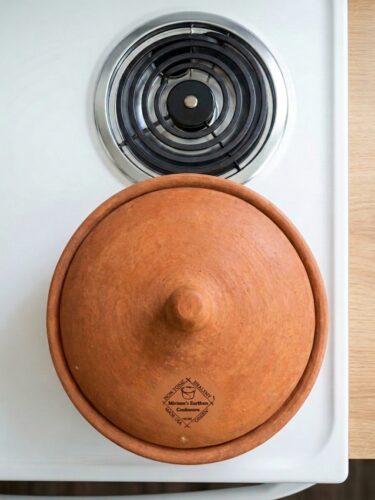 Safest Cookware Materials for a Healthier Kitchen